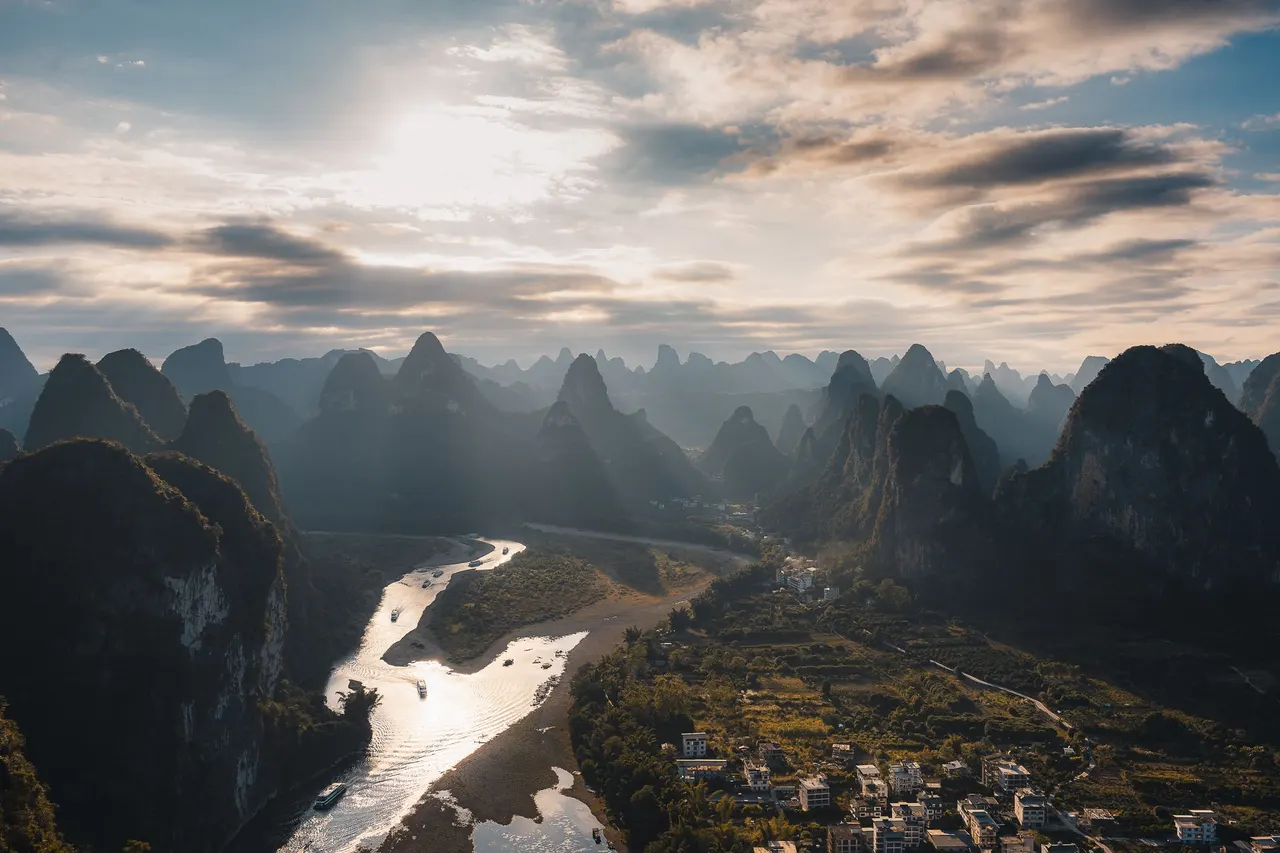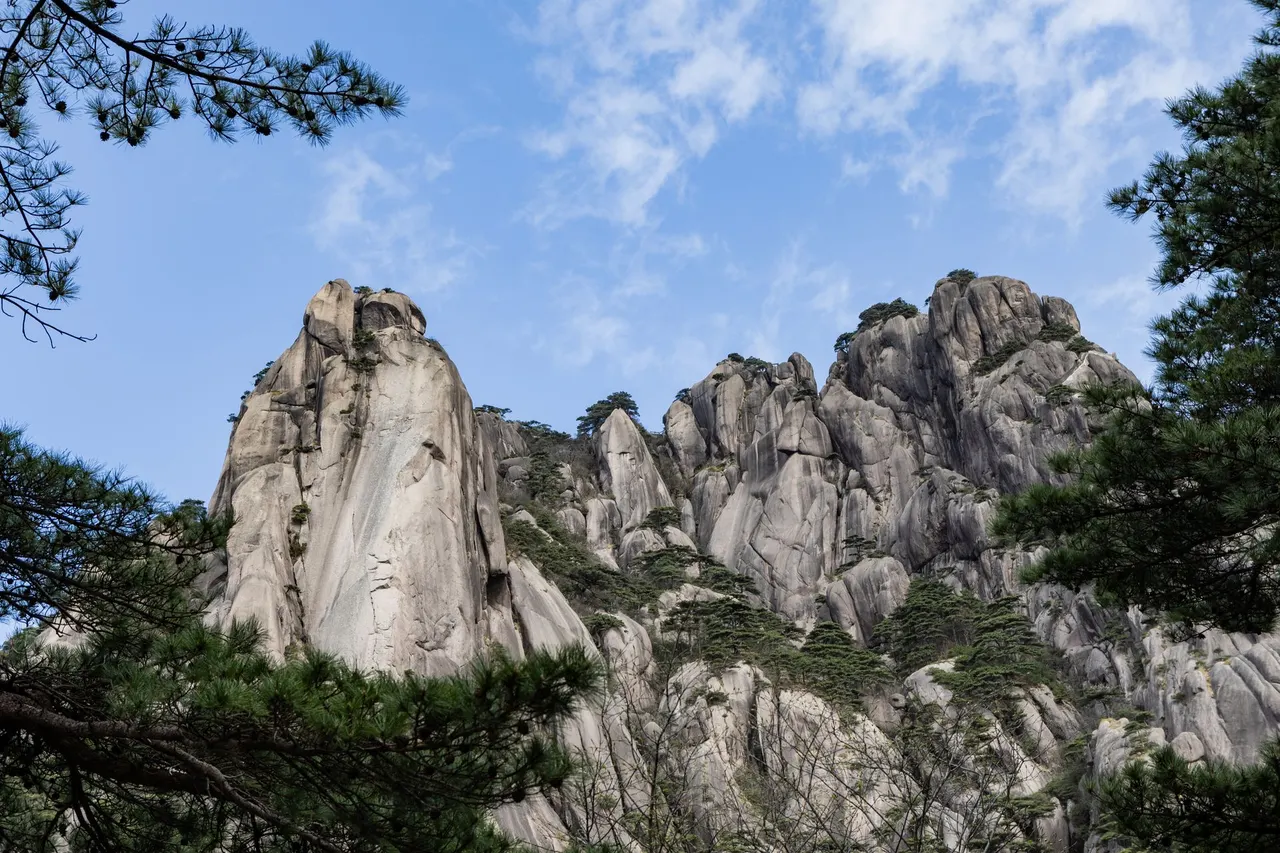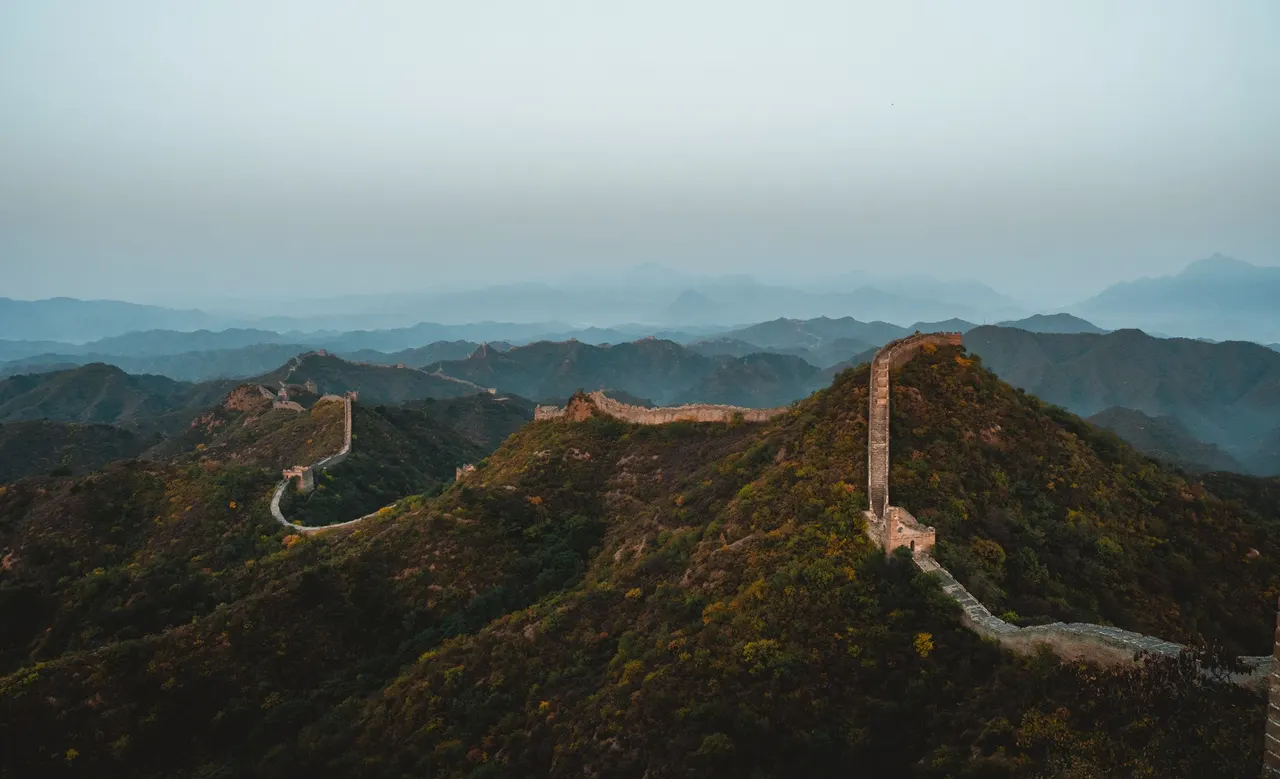
Sandstone pillars rise from the earth, and clouds drift through them like another world.
The peaks of Zhangjiajie were not grown — they fell out of a myth.
From the viewing deck at Yuanjiajie, stone columns shoot up from the valley floor — the real-world inspiration for the floating mountains in Avatar. When morning mist rolls in, the pillars half-vanish, suspended above the clouds, and you wonder if you have wandered onto another planet.
The water of Golden Whip Stream is clear. Walk beside it and look up at the peaks, look down at the fish. Monkeys squat by the path, unafraid, waiting for a peanut. Locals joke that the mountains here have such spirit even the monkeys have become clever.
The sandstone pillar forest of Zhangjiajie is the work of more than two hundred million years of geology. Flowing water, wind and gravity cut the quartz sandstone into thousands of pillars, some more than four hundred metres tall. They rise from the valleys like bamboo shoots, forming a sea of stone columns that few places on earth can match.
Beyond Yuanjiajie, Zhangjiajie has many more faces. The cloud sea at Tianzi Mountain plays against the pillars, the sky farm of Yangjiajie hides on the summit, and the glass bridge across the Grand Canyon offers a dizzying view. Each viewpoint shows a different Zhangjiajie, and each is worth the climb.
The area is also home to the Tujia and Bai peoples. Their traditions — the hand-waving dance, wedding laments and Xilankapu weaving — are still alive here. At night, Xibu Street fills with lights, song and the aroma of sanxiaguo and zongzi.
To understand Zhangjiajie, start with its name. The Ming-dynasty Tujia chieftain Zhang Wancong claimed this land, and the mountain took his surname. Qing-dynasty county records already praised its 'thousand peaks thrusting into the sky'. The old farm terraces at the mountain's foot still show the Tujia way of life.
Every season brings a different mood. Spring clouds are the softest, summer streams the coolest, autumn maples set the pillars aflame, and winter snow wraps them in white jade. After rain, the sea of clouds rises from the valleys and the peaks emerge like islands floating on clouds — the most dreamlike moment of Zhangjiajie.
Getting there is easy. Zhangjiajie Airport connects many cities, and the high-speed rail from Changsha takes about two hours. Buses run from the city to the forest park, and shuttle buses inside the park make navigation simple even for first-time visitors. The forest park ticket is valid for four days, so take your time.
Clouds on Tianzi Mountain come and go quickly. One moment it is clear, the next the fog swallows the whole range; ten minutes later it lifts, and the peaks reappear as if a veil has been drawn away.