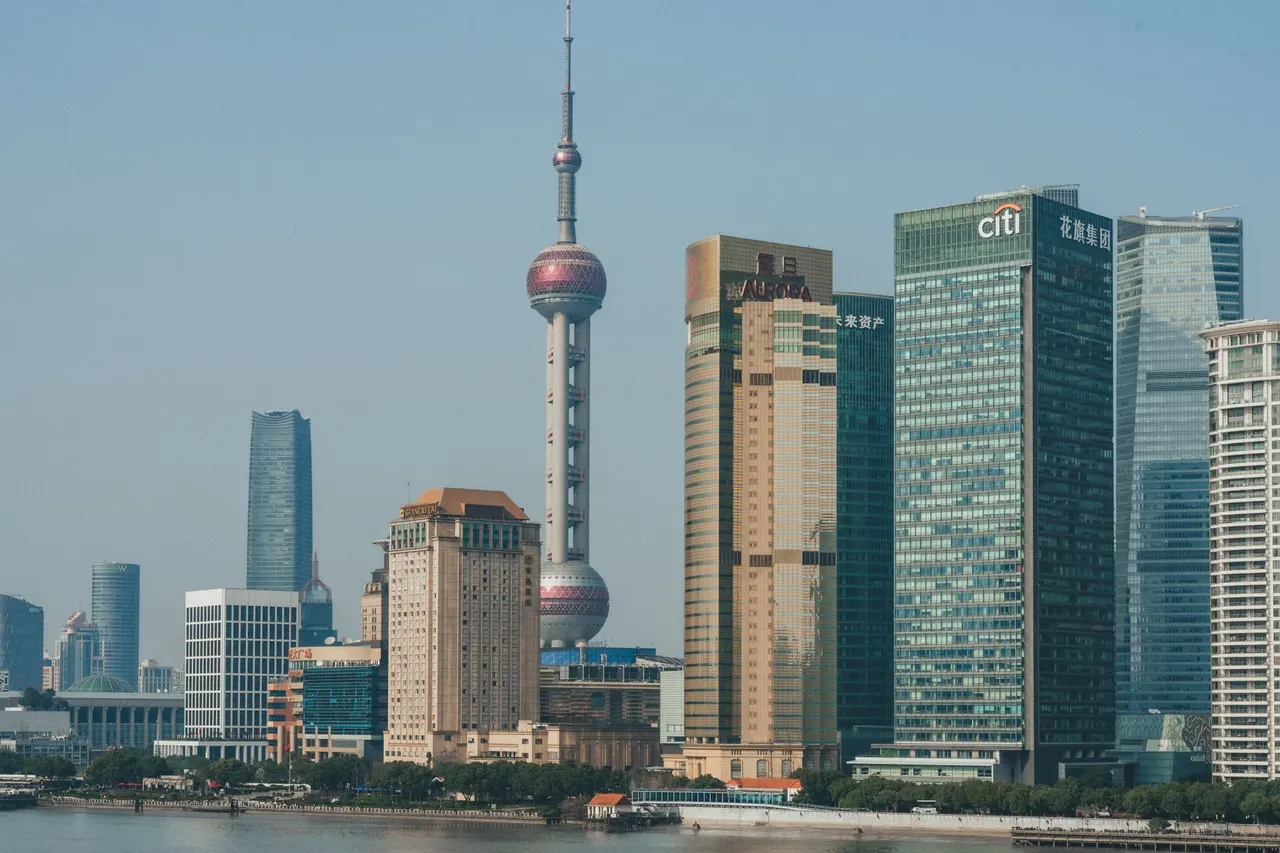
From the Bund, the lights of Lujiazui turn the night sky into a day that never ends — the youngest face of an ancient land.
Shanghai's beauty is in running between demolition and construction, while tenderly keeping the old days.
At six in the evening, the lights of the Bund come on. Across the river, the towers of Lujiazui write the night into the Huangpu with glowing pens. Sightseers, joggers and newlyweds taking photos all find their place along this riverbank.
Shanghai has always been a city in a hurry. The wharves of the nineteenth century, the factories of the twentieth and the skyline of the twenty-first are stacked along the same river. The plane trees of Wukang Road are still old, but the shops beneath them have changed owners three times; in shikumen lanes, new cafés share the doorways with drying laundry.
I walked along the Suzhou Creek for a long time. Warehouses from the old days are now galleries and creative parks, red brick walls still reading 'Shanghai Flour Mill'. This city is good at turning old things into new scenes — it neither hides its history nor clings to it, but folds it into new life.
At midnight, from a footbridge in Lujiazui, the traffic below flows like rivers of light. Some say Shanghai is too fast; I think it is precisely this refusal to stop that shows the youngest face of an ancient country.