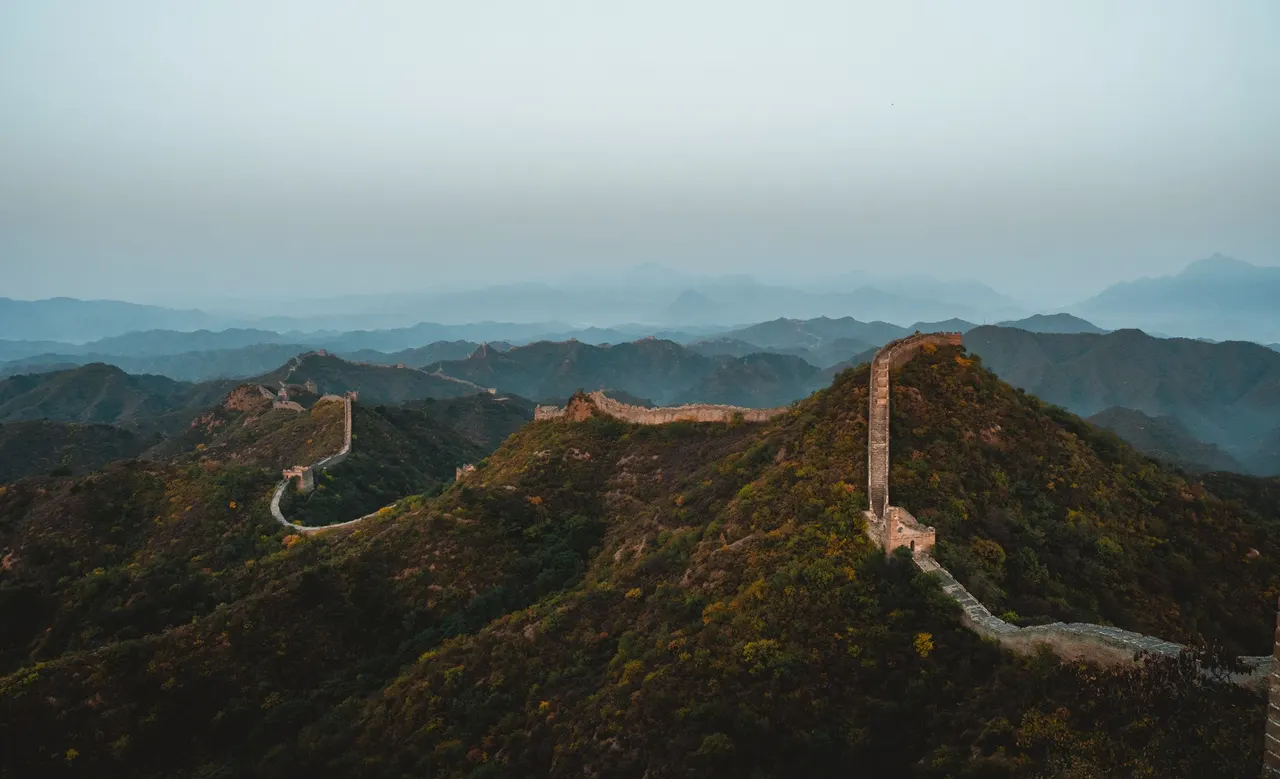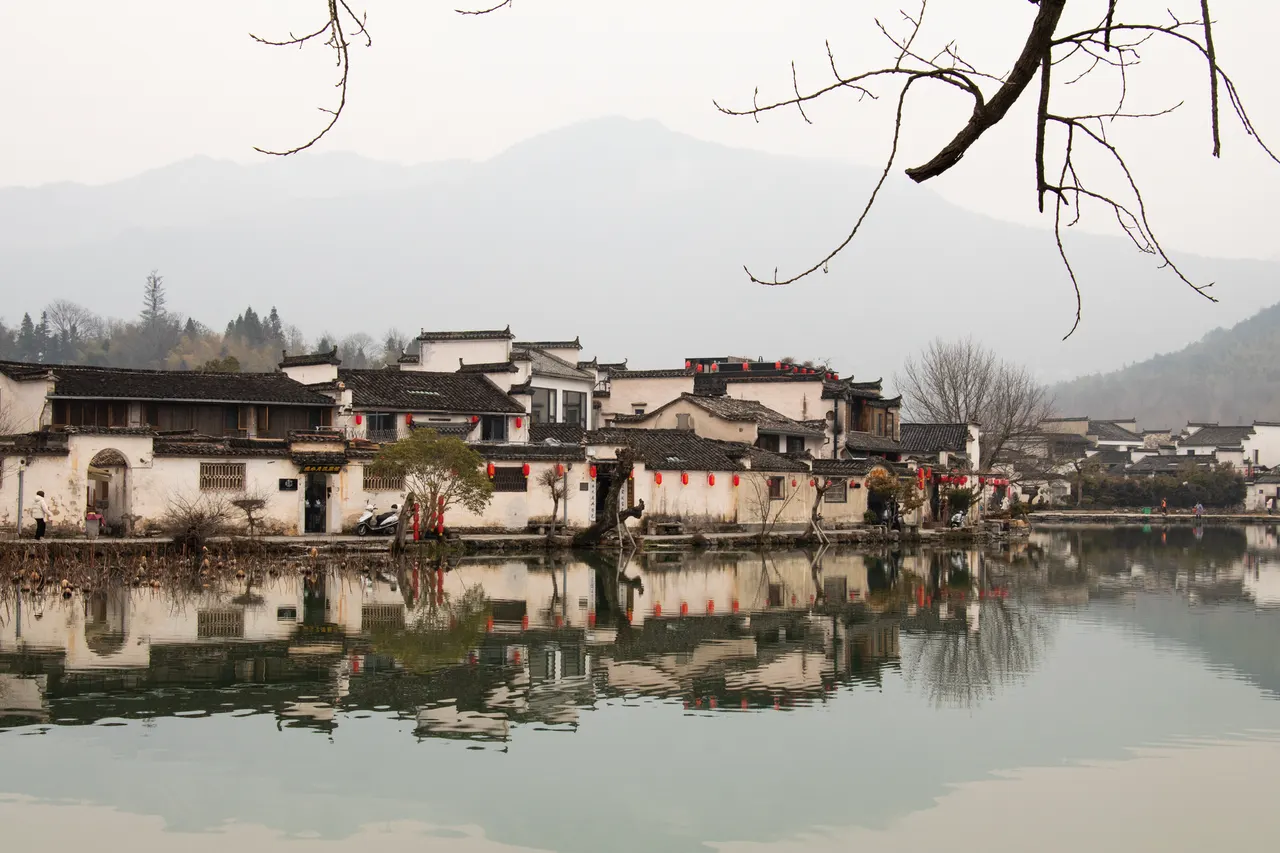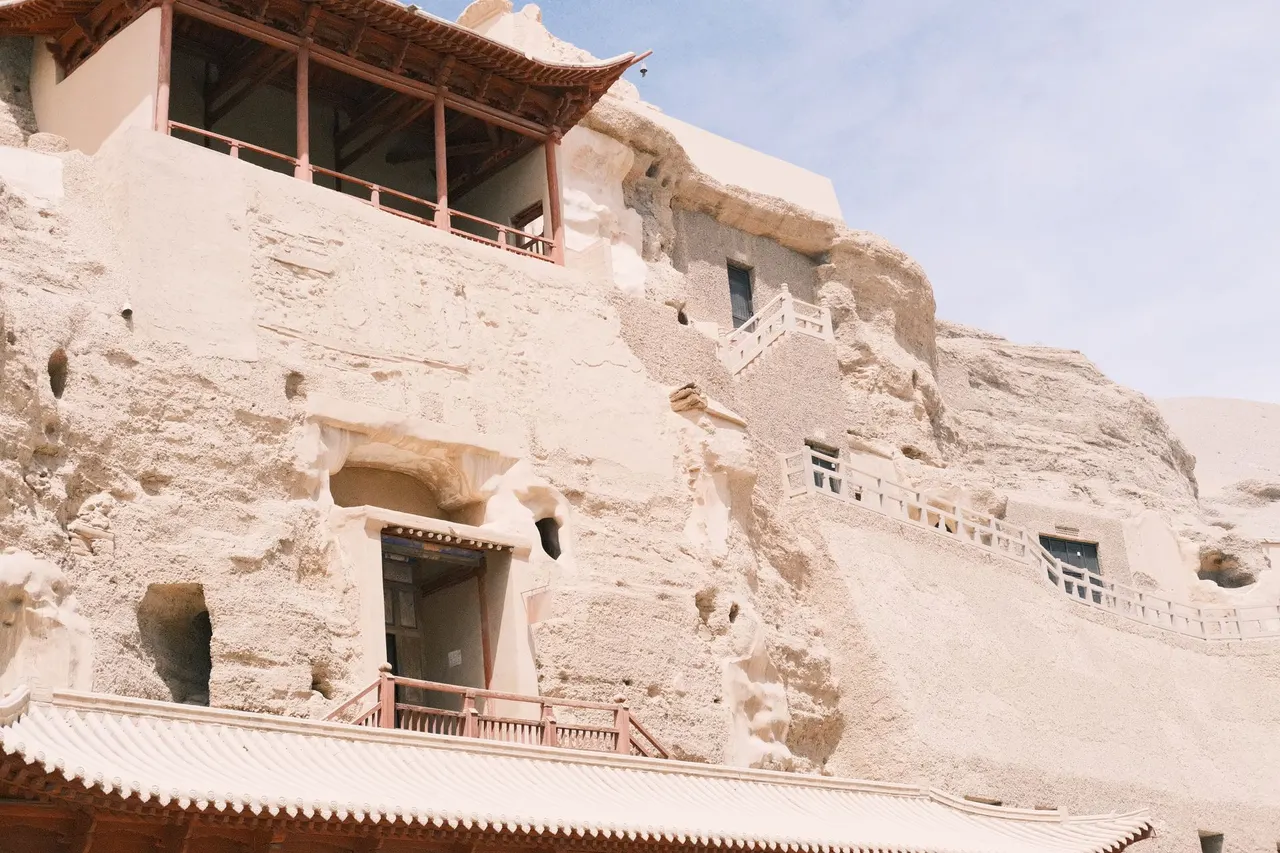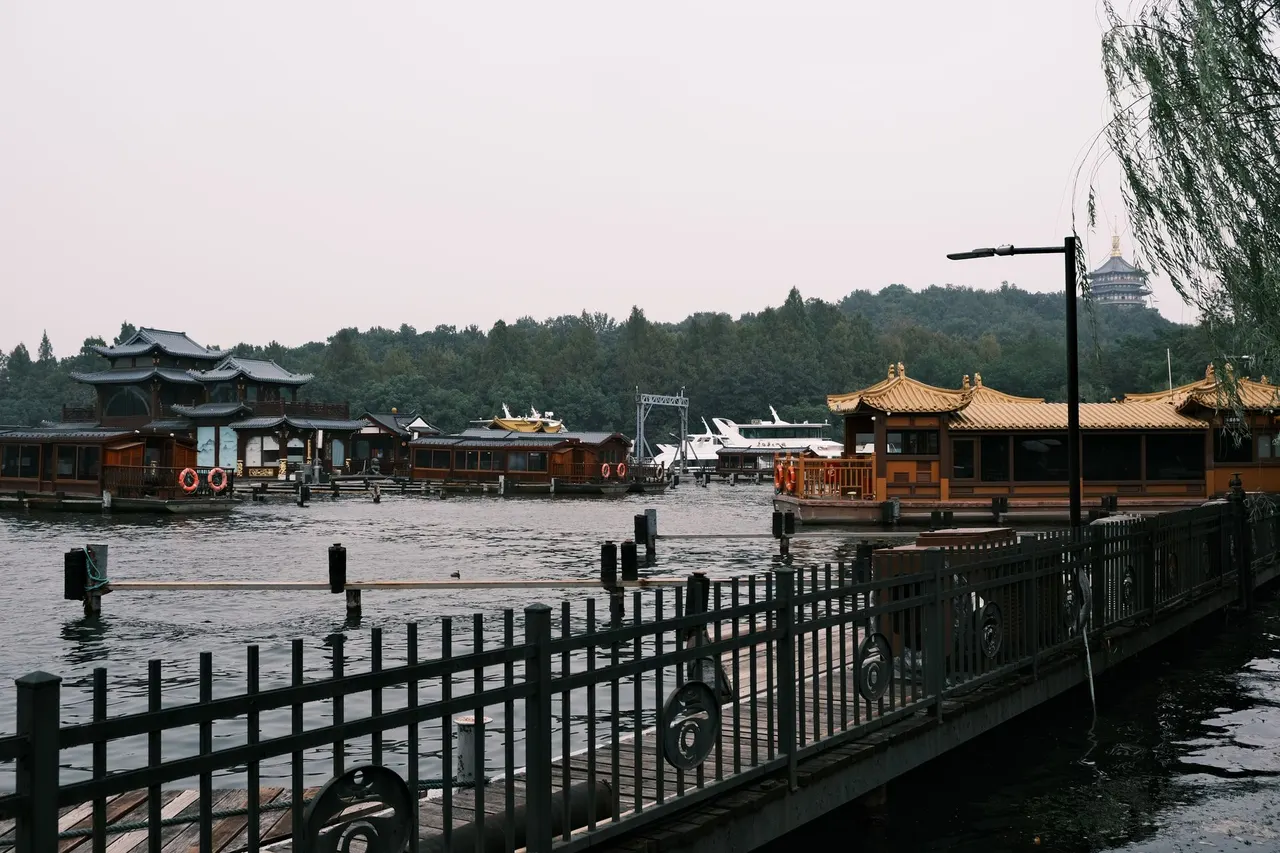
The Broken Bridge meeting, the foot of Leifeng Pagoda, before Jinshan Temple — the Legend of the White Snake has been told beside West Lake for eight hundred years.
The waters of West Lake are half scenery, half story.
Rain comes without warning in Hangzhou. Many people by the Broken Bridge have no umbrella, but only the meeting of Lady White and Xu Xian has entered the collective memory of China. In the tale, a white snake who cultivated for a thousand years took human form and lent Xu Xian an umbrella on the Broken Bridge, beginning their marriage. The Broken Bridge is therefore never broken — it is both an ending and a bond.
The story was told in the Southern Song, and Feng Menglong's Ming-dynasty collection set it down as 'The White Maiden Locked Forever in Leifeng Pagoda'. Opera, novels and films have retold it ever since. Each age reinterpreted the characters: Fahai was once authority, later stubbornness; Lady White went from monster to a woman brave enough to love.
Leifeng Pagoda really did fall. In 1924, the tower that was said to imprison the White Snake came crashing down, and Lu Xun wrote that it fell well — the White Maiden was finally free. Today's new pagoda has an elevator; beneath its glass floor the old foundations remain, and visitors look down at time like a cross-section.
At dusk by the lake, someone sings the Yue opera 'The Legend of the White Snake'. As she sings 'the hills and waters of West Lake remain as before', mist is rising from the water. Eight hundred years on, whether the story is true no longer matters — what matters is that whenever people cross the Broken Bridge or glimpse the pagoda, a little tenderness rises in them. Perhaps that is the purpose of myth: to reserve a place for every ordinary person's love.