
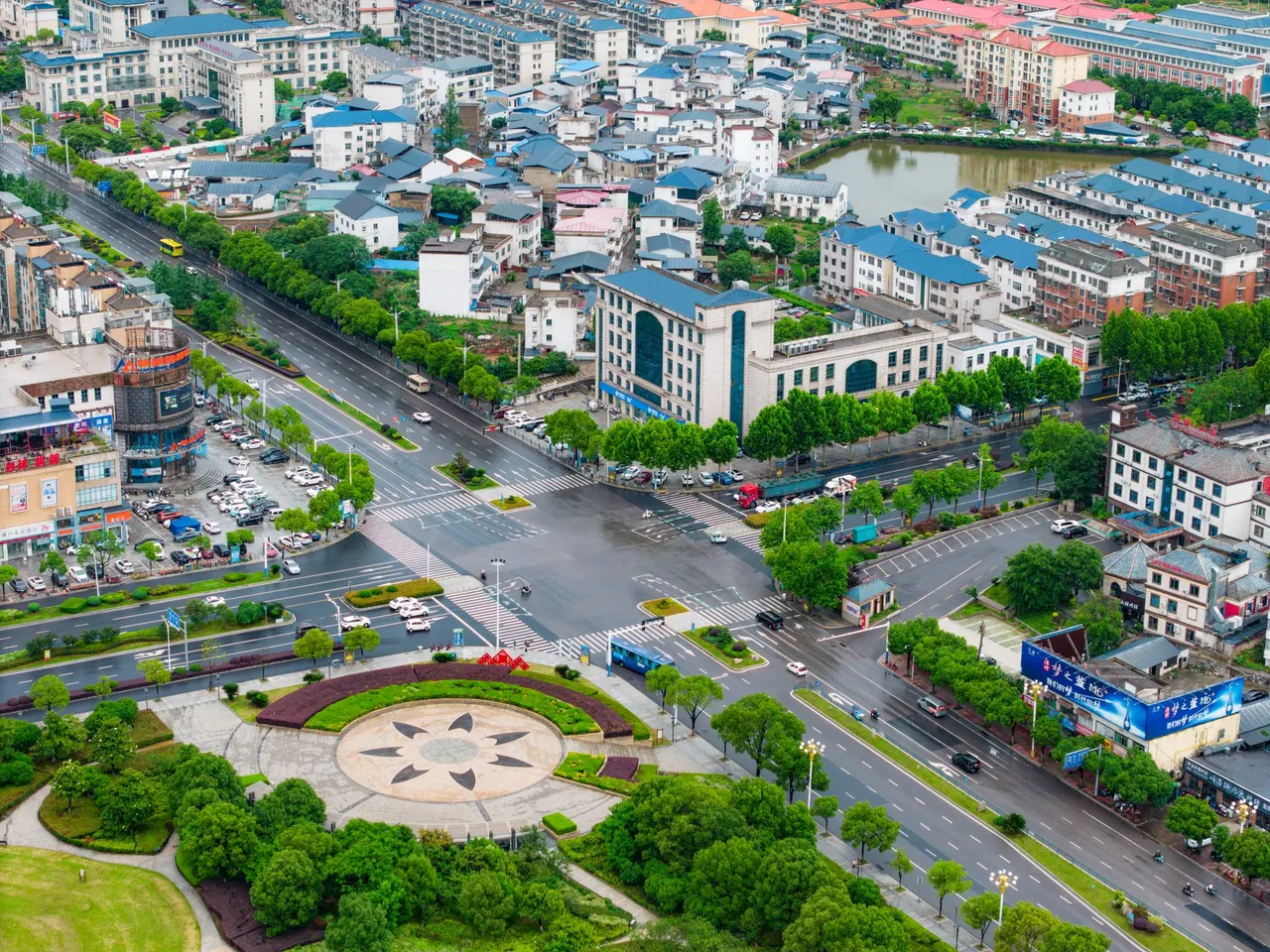
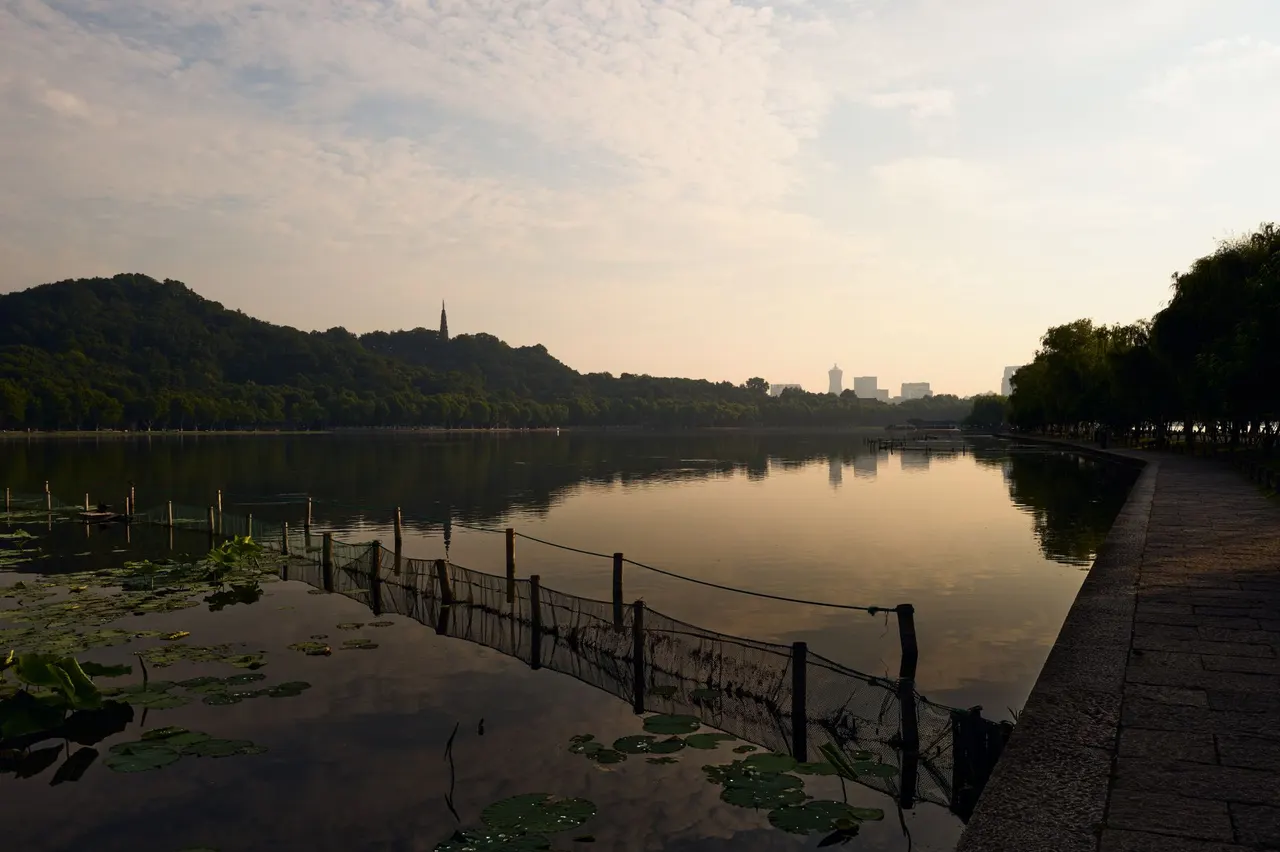
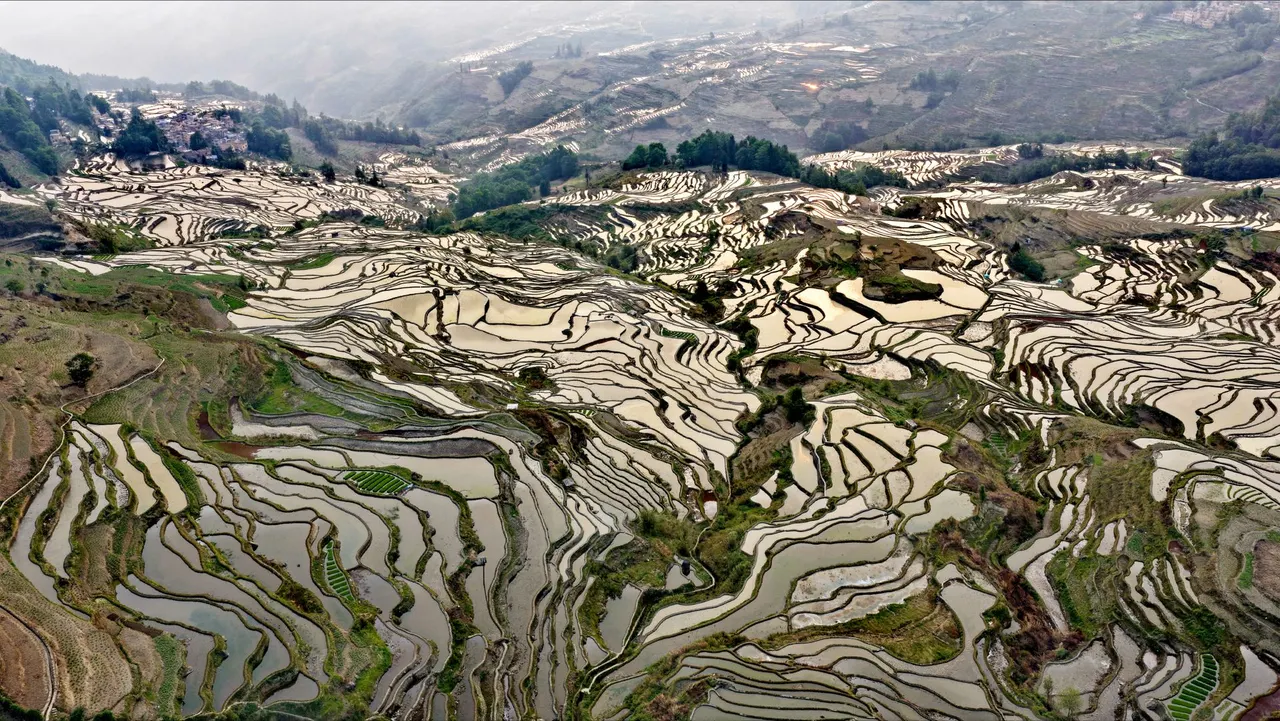
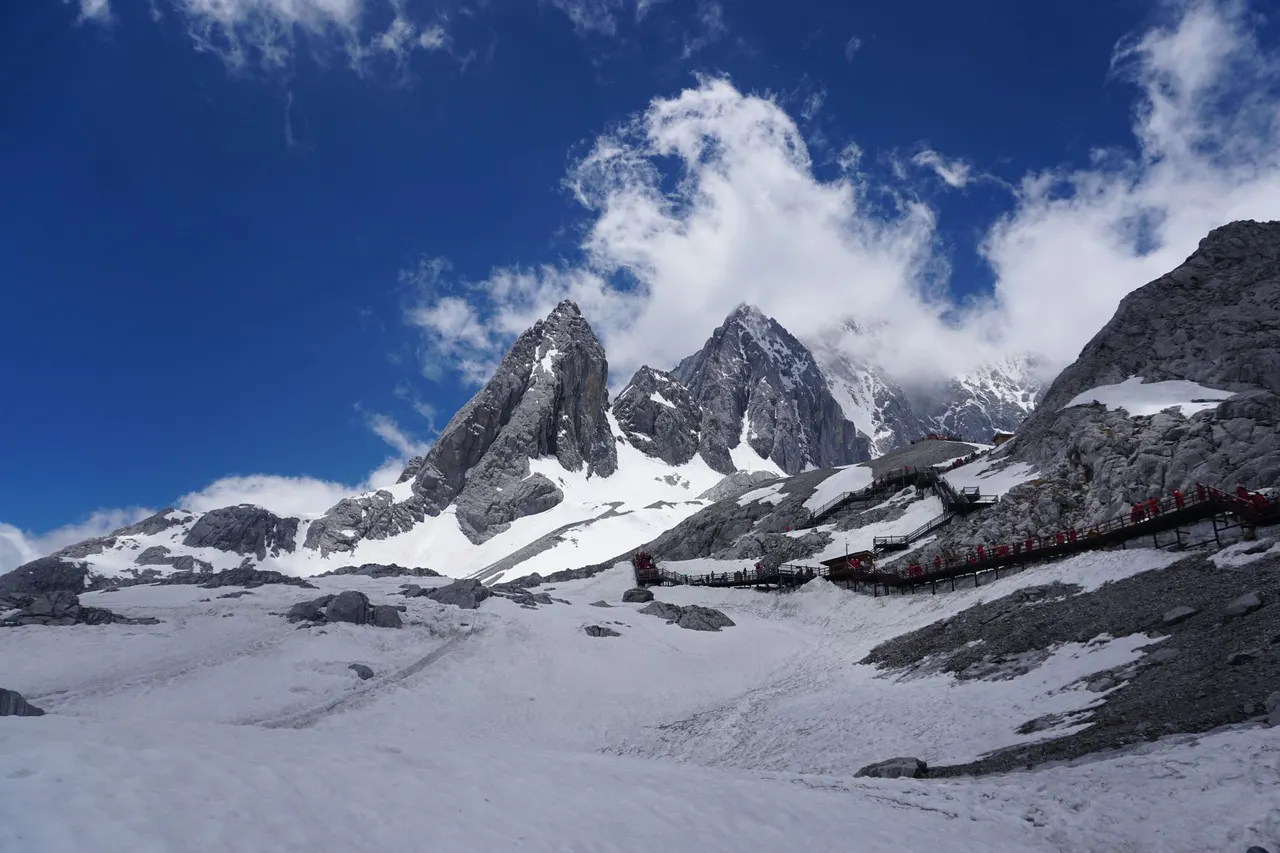
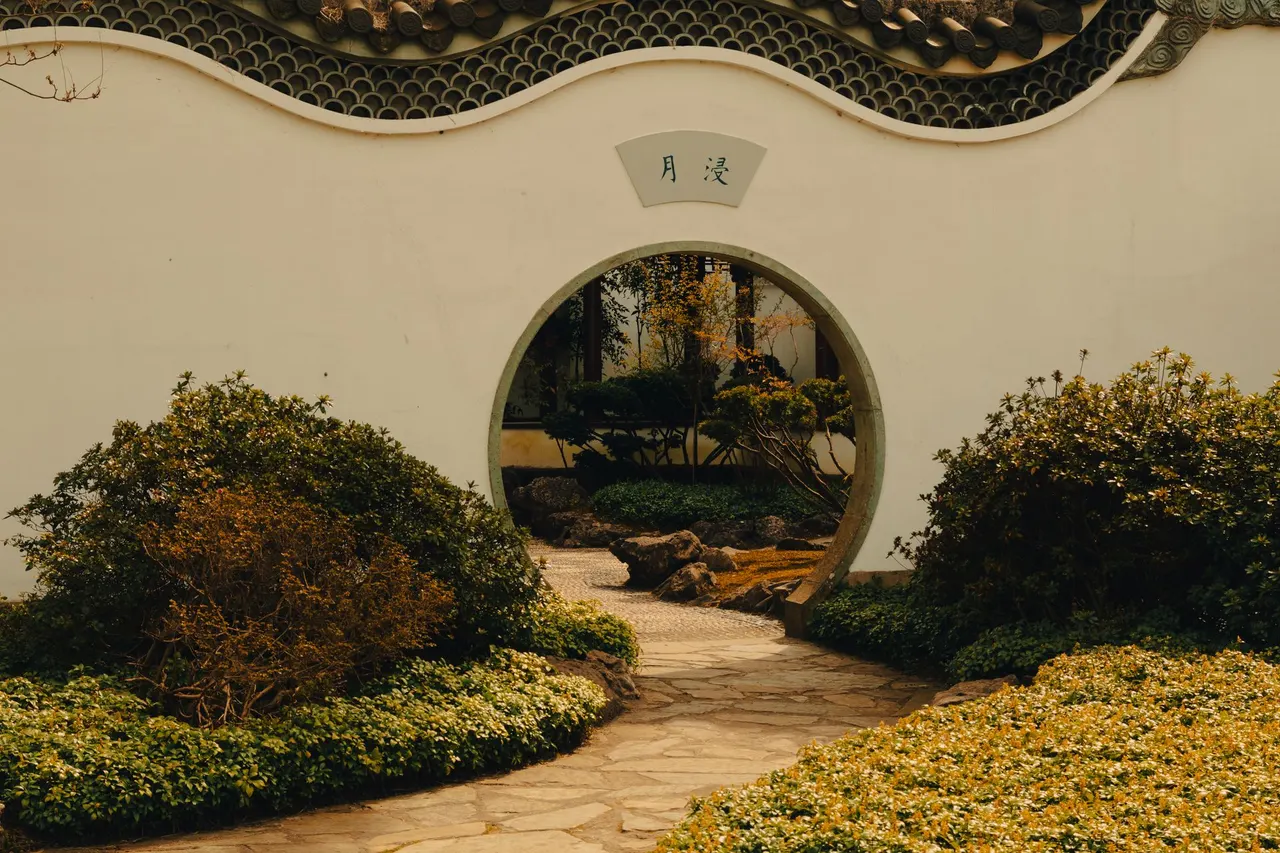
 Feb 4
Feb 4 立春
Li Chun · Start of SpringThe east wind thaws the frozen land; all things begin to stir, and the farming year awakens.
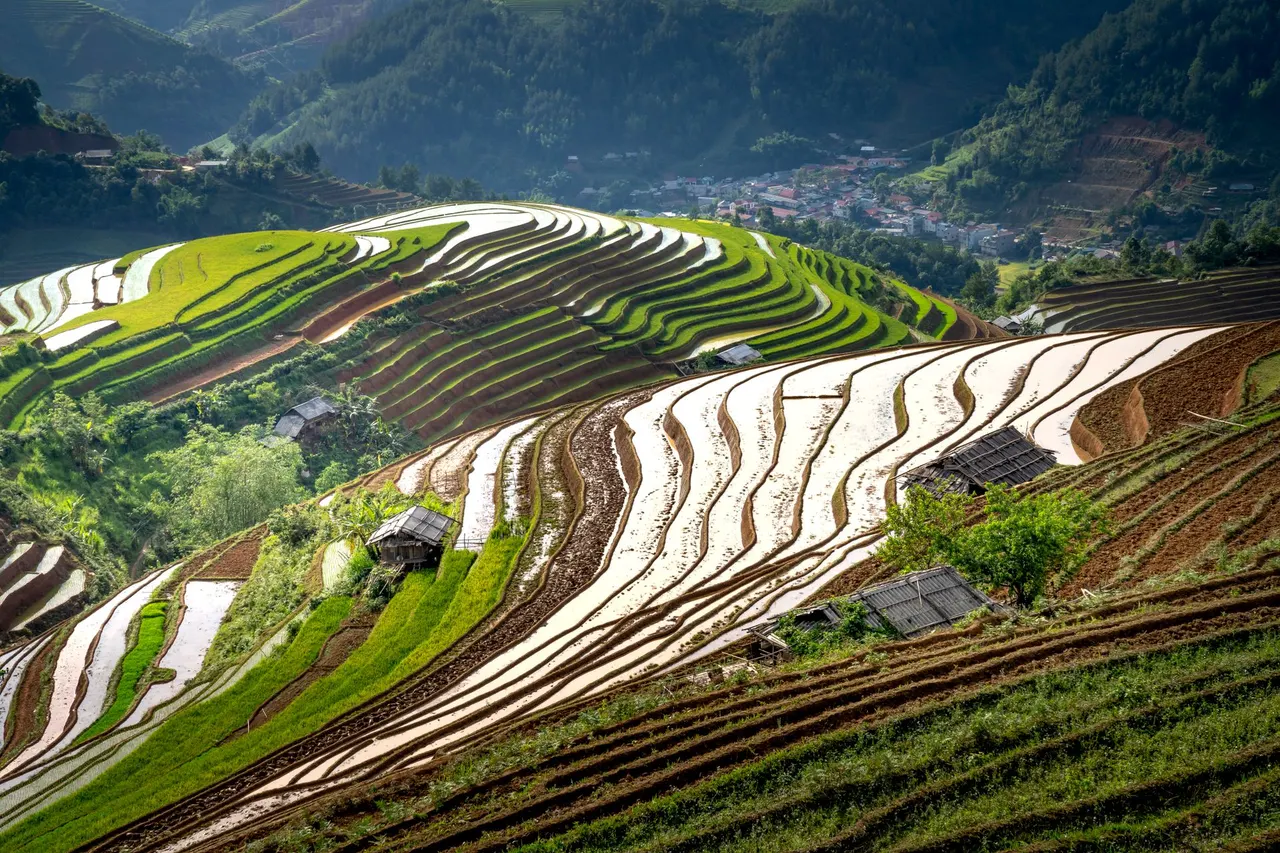
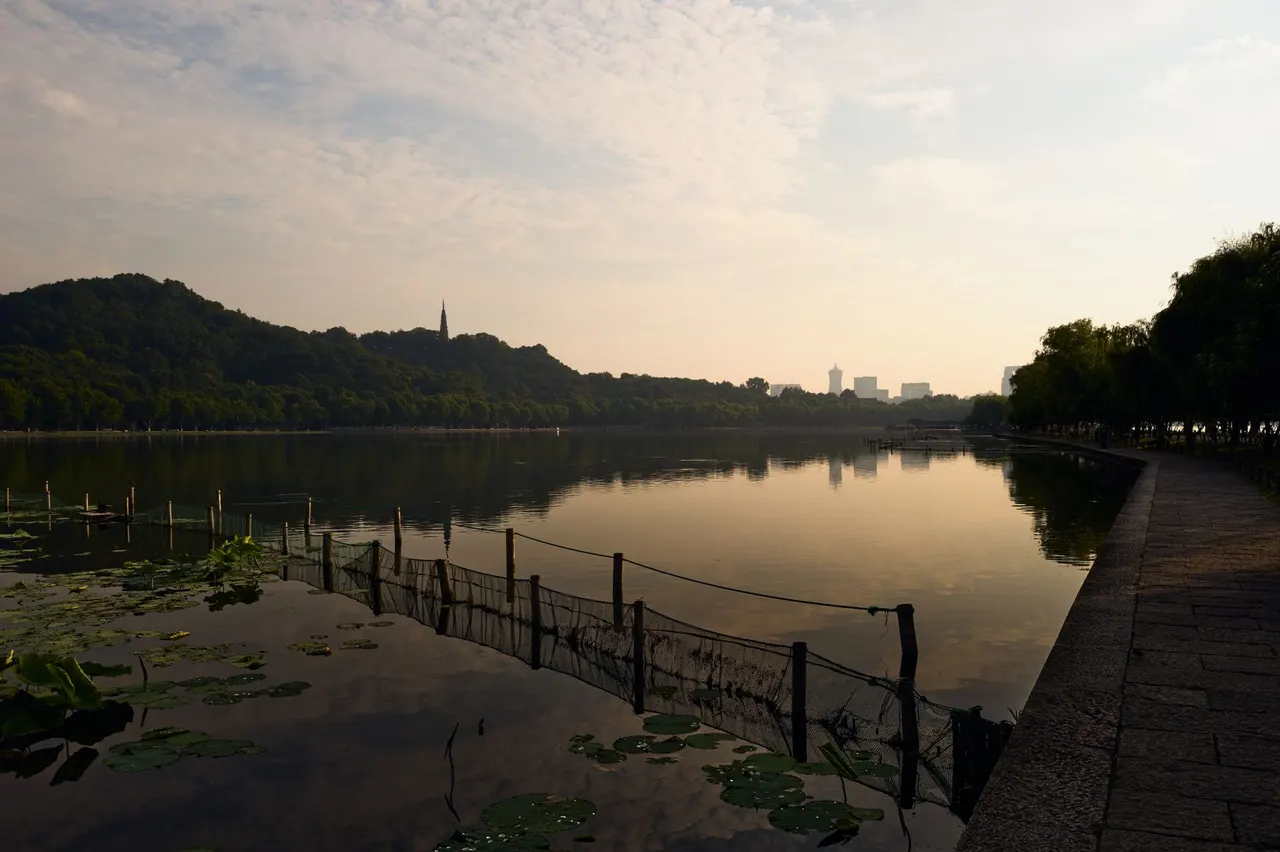
Festivals · Come when China celebrates
Spring Festival, Mid-Autumn, peony festivals, ice festivals and the twenty-four solar terms — the best times to come, season by season.
The 24 solar terms originated along the Yellow River, where ancient observers tracked the sun's annual journey and distilled the changing seasons, weather and natural phenomena into a working calendar. As early as the Spring and Autumn period, shadow-measuring instruments fixed the equinoxes and solstices; by the Qin–Han era, all 24 terms were established as the rhythm of farming and daily life. In 2016, the solar terms were inscribed on UNESCO's Representative List of the Intangible Cultural Heritage of Humanity.
Feb 4 The east wind thaws the frozen land; all things begin to stir, and the farming year awakens.
 Feb 19
 Snow gives way to rain; grass and trees push out fresh shoots.
 Mar 6
Mar 6 Spring thunder rouses sleeping insects — and the people working the fields.
 Mar 21
 Day and night are equal; orioles fly over a south that is already green and blooming.
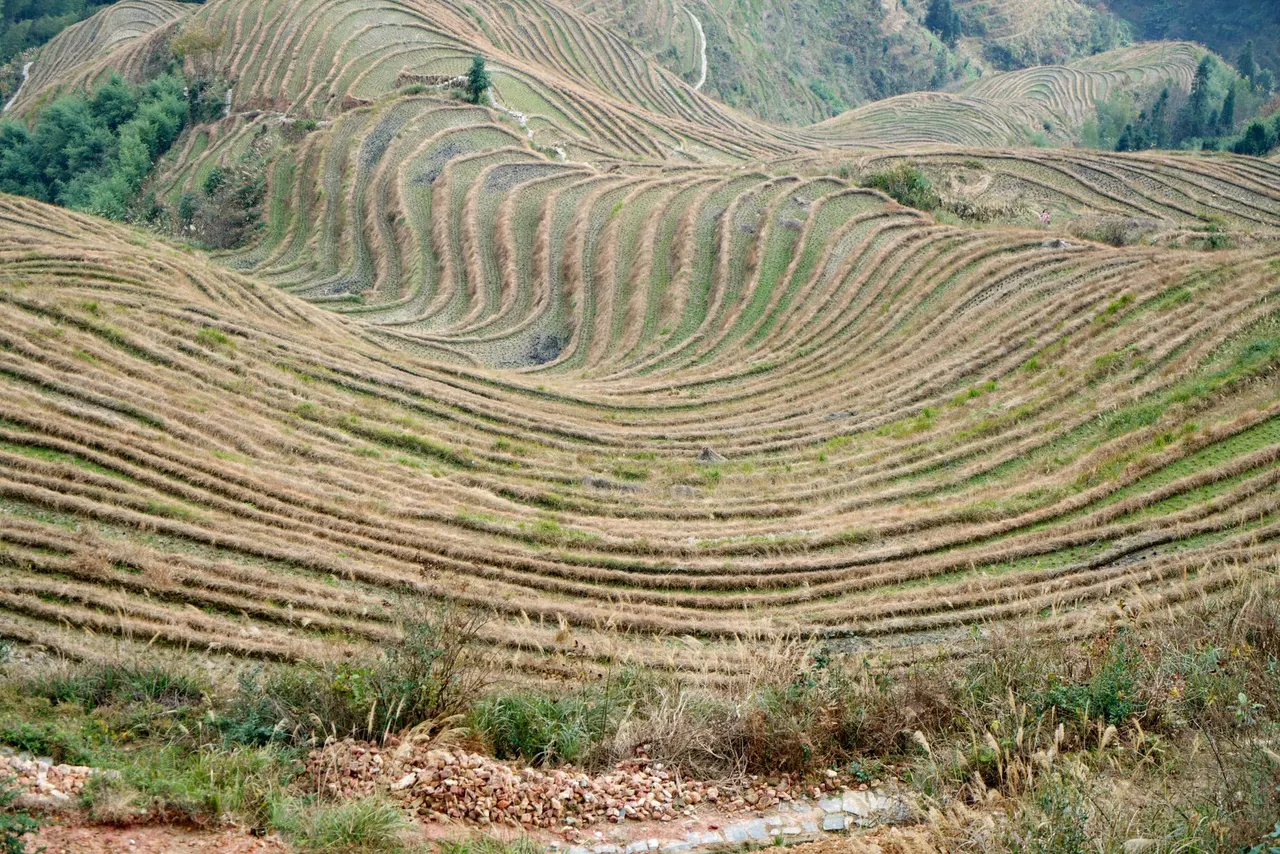 Apr 5
Apr 5 Clear skies and bright scenes — a time to honor ancestors and walk in the spring countryside.
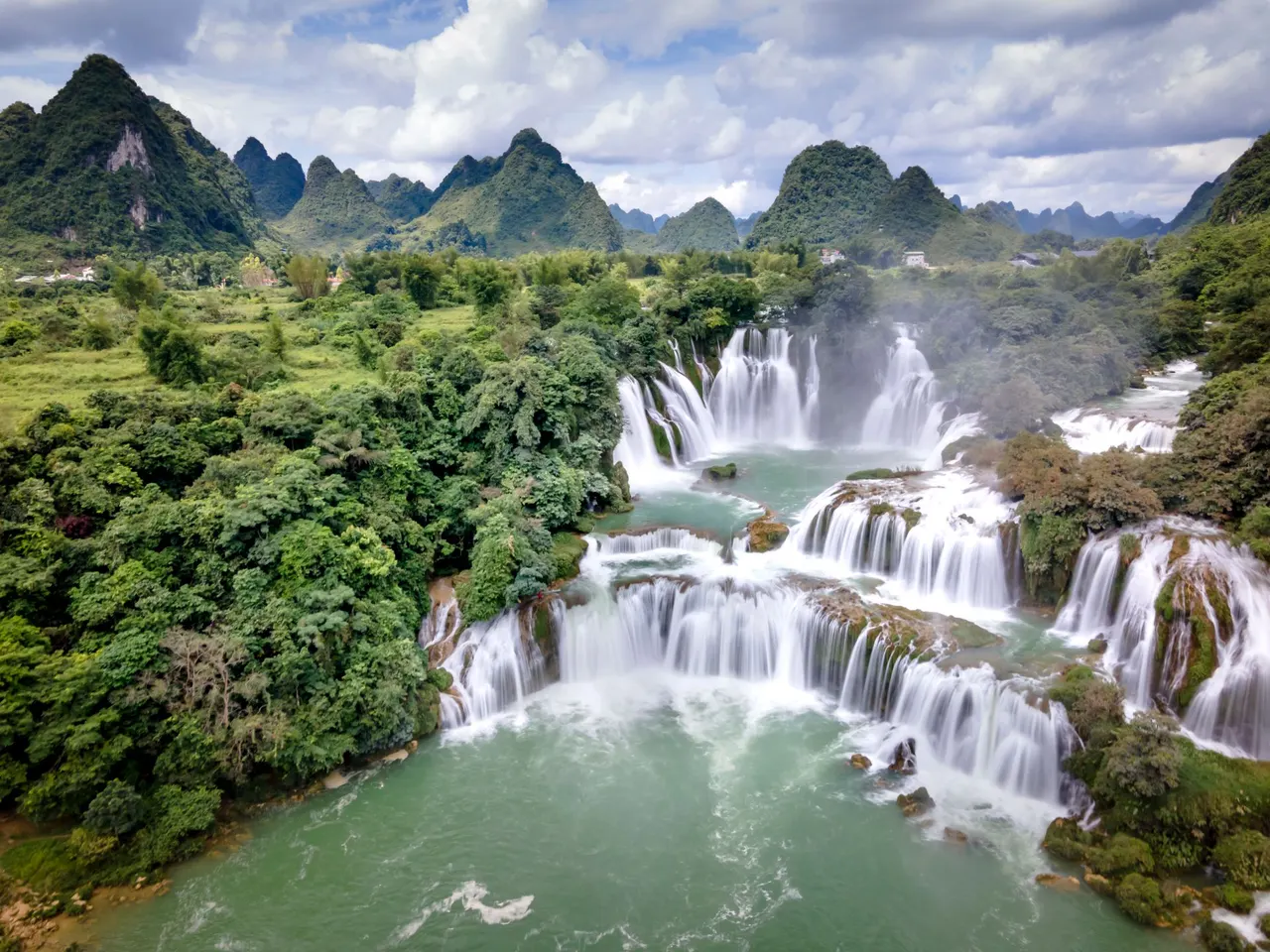 Apr 20
 Rain nurtures a hundred grains; peonies open and spring tea is at its freshest.
May 6 Insects sing, earthworms surface, and seedlings begin their summer surge.
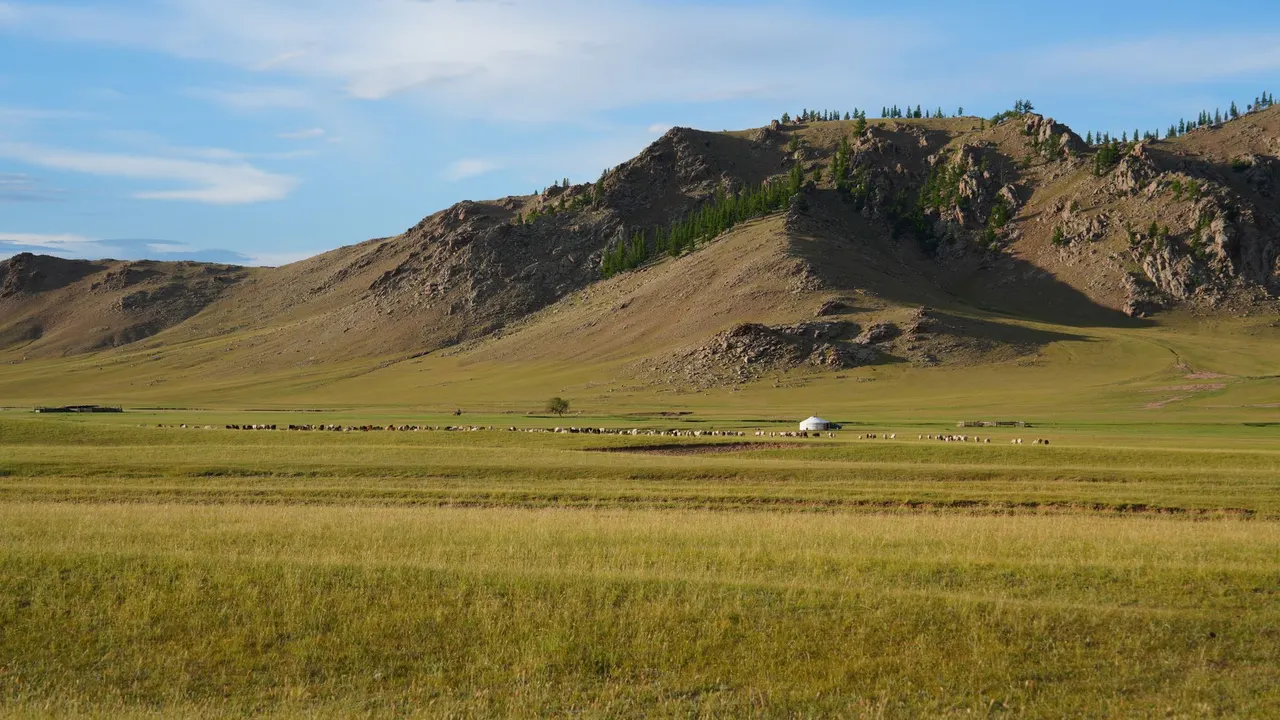 May 21
 The grain fills but is not yet ripe — a perfect moment of 'almost full'.
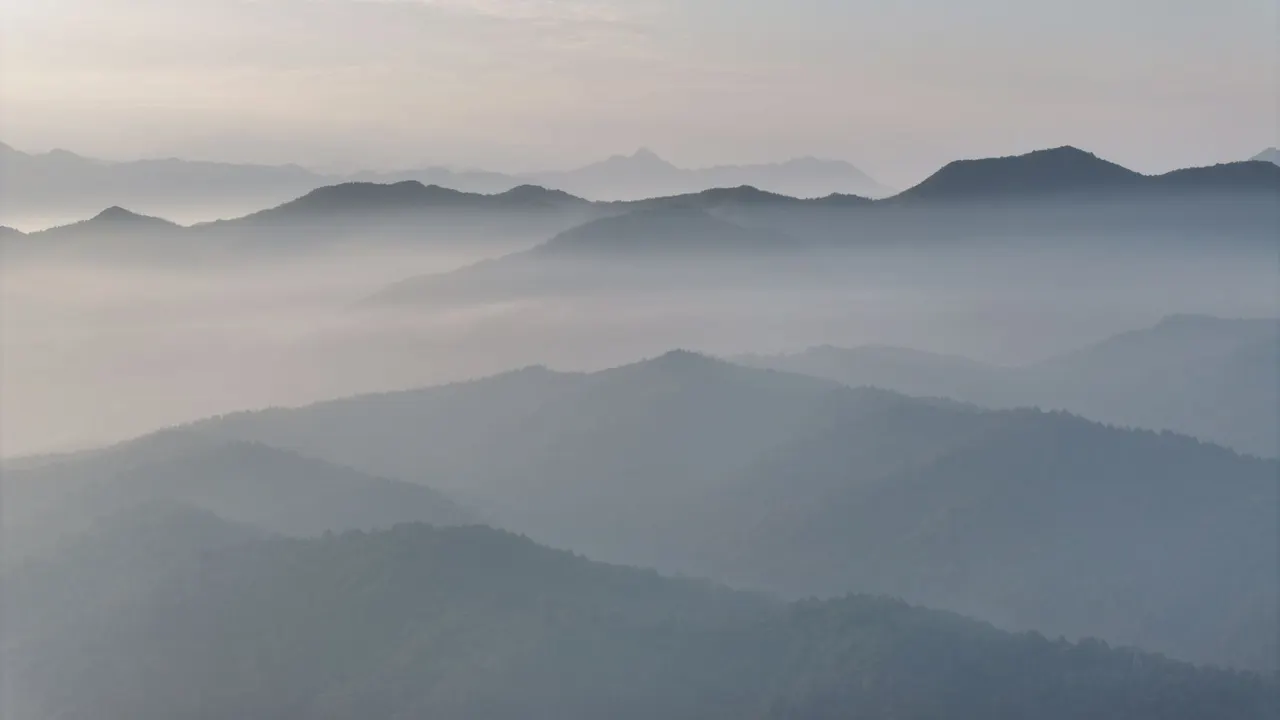 Jun 6
Jun 6 Awned crops are sown and harvested; the south enters its busy plum-rain season.
 Jun 21
 The longest day arrives; cicadas begin to sing and lotus fills the ponds.
 Jul 7
Jul 7 Warm winds blow and crickets take shelter; the heat builds but has not peaked.
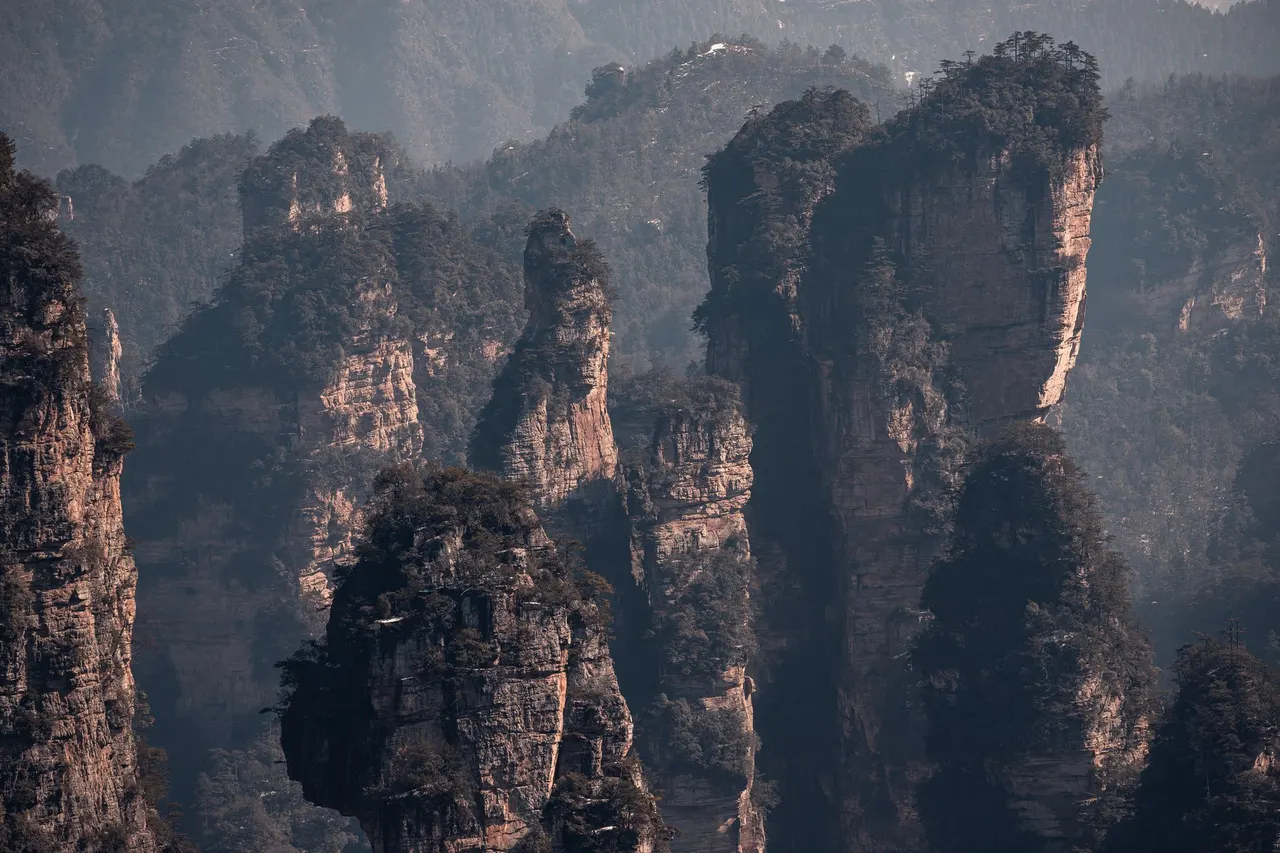 Jul 23
 The hottest days of the year — fireflies blink among the grass.
Aug 8 Cool breezes and morning dew appear; summer lingers, but autumn has begun.
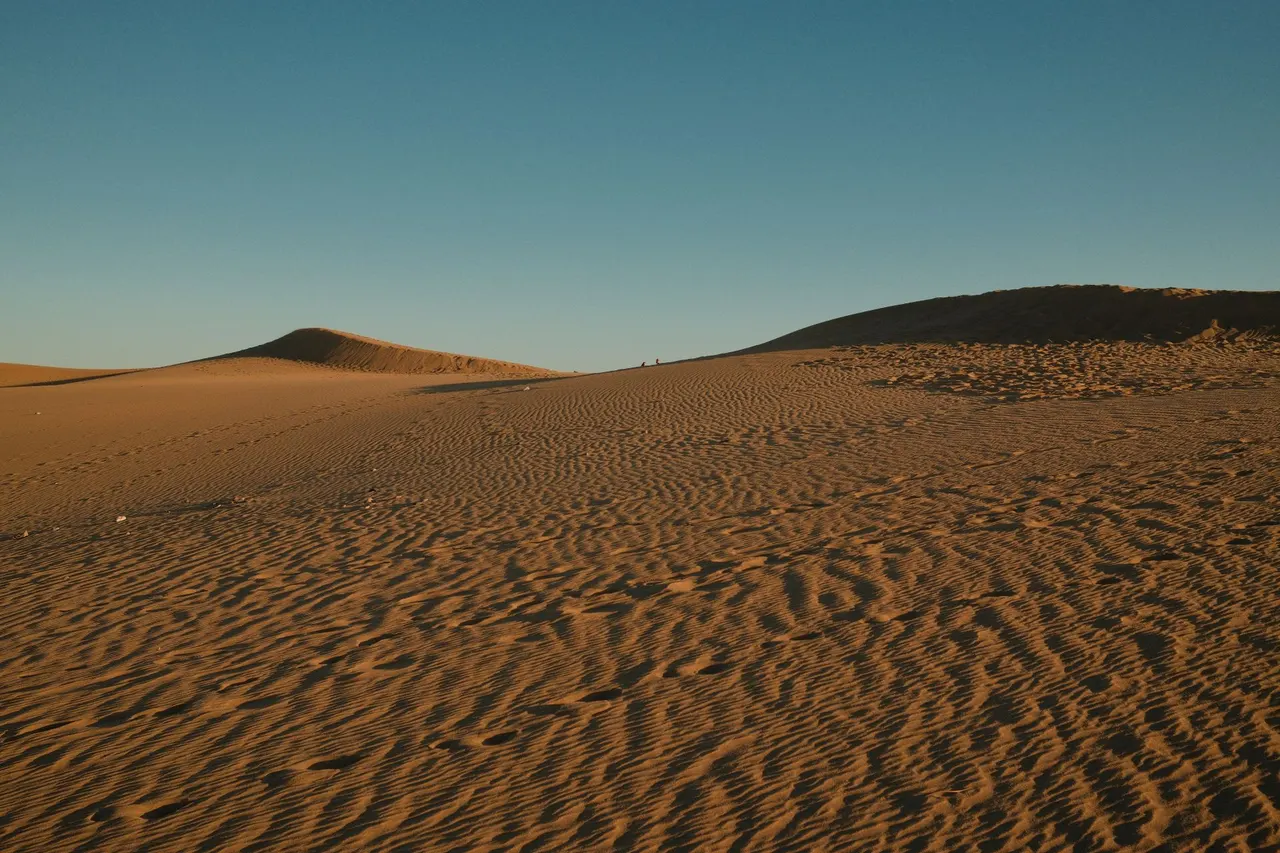 Aug 23
 The heat finally withdraws; skies clear and crisp autumn air approaches.
Sep 8 Dew gathers white on the grass; wild geese pass south and mornings turn cool.
Sep 23 Day and night balance again; golden rice waves mark the harvest.
Oct 8 Dew turns cold and begins to freeze; chrysanthemums bloom in gold.
Oct 23 Air turns sharp and dew becomes frost; maples burn red across the hills.
Nov 7 Water begins to freeze and earth hardens; all things store themselves for spring.
Nov 22 Rainbows hide away and the air turns dry — the first snow may come.
Dec 7 Snow falls thick and the north is wrapped in white.
Dec 22 The shortest day arrives; yang is born anew, and a bowl of dumplings warms the winter.
Jan 6 Geese fly north and magpies build nests as the coldest stretch begins.
Jan 20 Cold reaches its peak, yet spring water stirs beneath the ice — the year turns anew.