Rich but not greasy, tender but not broken — Dongpo pork is Su Dongpo's gift to Hangzhou.
Slow fire, little water; when the heat is right, it beautifies itself — Dongpo pork is a poem by Su Shi.
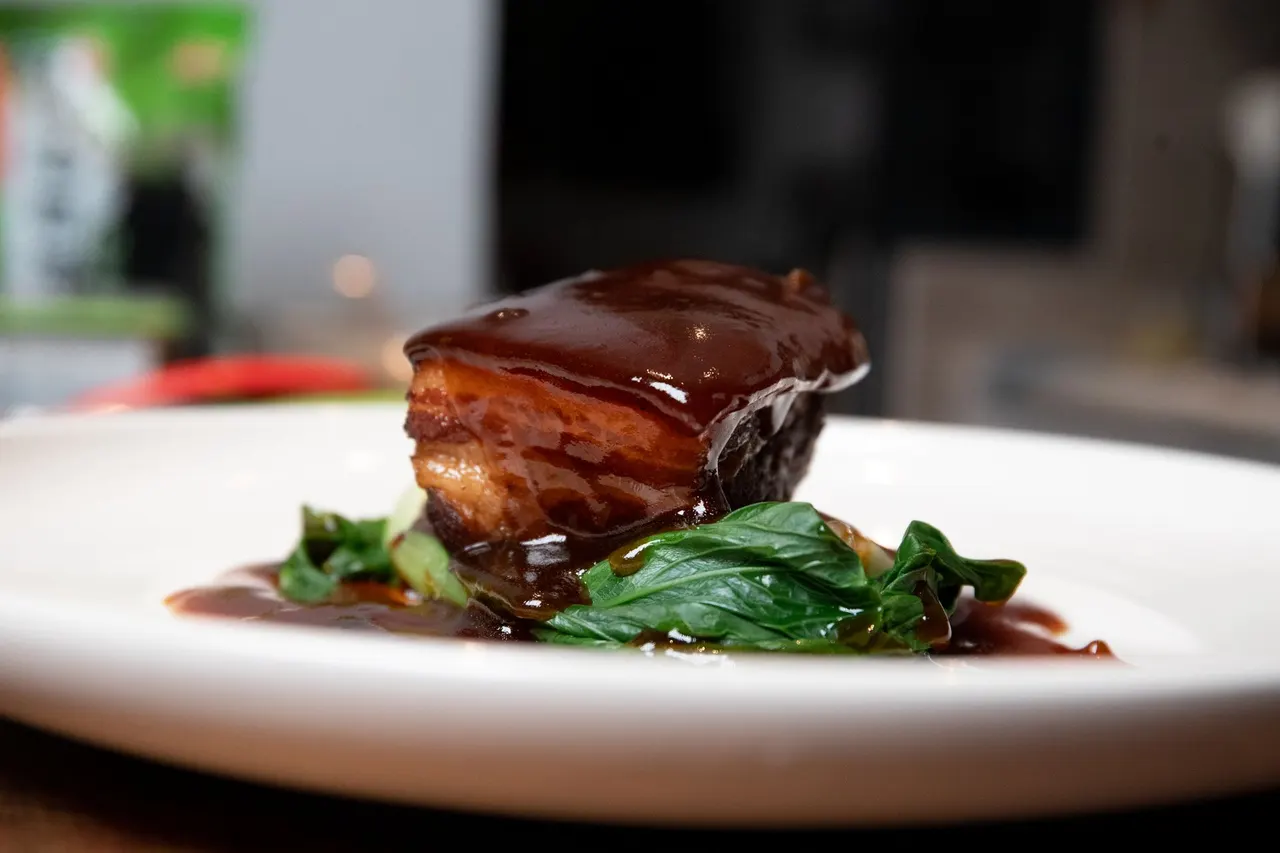
Hangzhou's Dongpo pork is the masterpiece of scholar cuisine. Pork belly is cut into squares and simmered slowly with yellow wine, soy sauce and rock sugar until the surface turns glossy red. Pick up a piece and it melts in the mouth, rich but not greasy, tender but not broken.
The dish is named after Su Dongpo, the great poet of the Northern Song dynasty. When he governed Hangzhou, he dredged West Lake and built the Su Causeway. The grateful people sent him pork; Su taught them to braise it slowly and shared it with the workers, and the dish became known as Dongpo pork.
The cooking is all about patience. The pork is blanched and shaped, then simmered in a clay pot with yellow wine, soy sauce and rock sugar over a low flame for two or three hours. When the time is right, the skin turns translucent, the fat dissolves, the lean meat becomes tender, and fat and lean melt together.
Su Dongpo not only ate well but wrote a poem about it. 'Wash the pot clean, use little water, and let the fire smoulder without flame. Do not rush it; when the heat is enough, it beautifies itself.' Slow braising cannot be hurried — that is the philosophy of Dongpo pork.
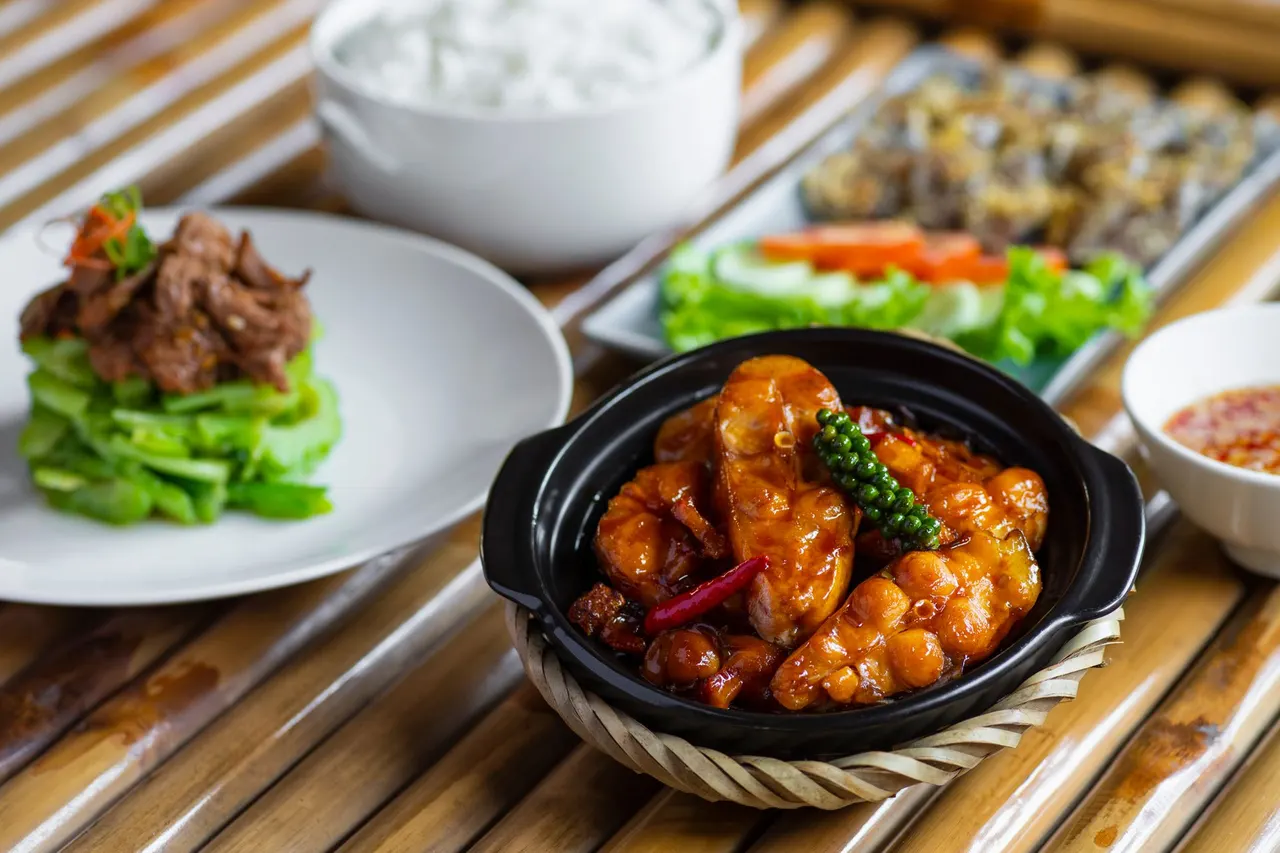
Today Dongpo pork is a famous Hangzhou dish and a kind of spiritual food for Chinese literati. Restaurants often serve it in a small clay pot, one portion per person, with a bowl of rice — the sauce over rice is unforgettable.
When you visit Hangzhou, taste Dongpo pork. By West Lake, order a portion with Longjing shrimp and a cup of Longjing tea — the poetry of Su Dongpo lives in that table of southern flavours.