The noodle master's knife flashes, and willow-leaf noodles fly into the boiling pot.
Shanxi is the home of noodles, and knife-cut noodles are its proudest dish.
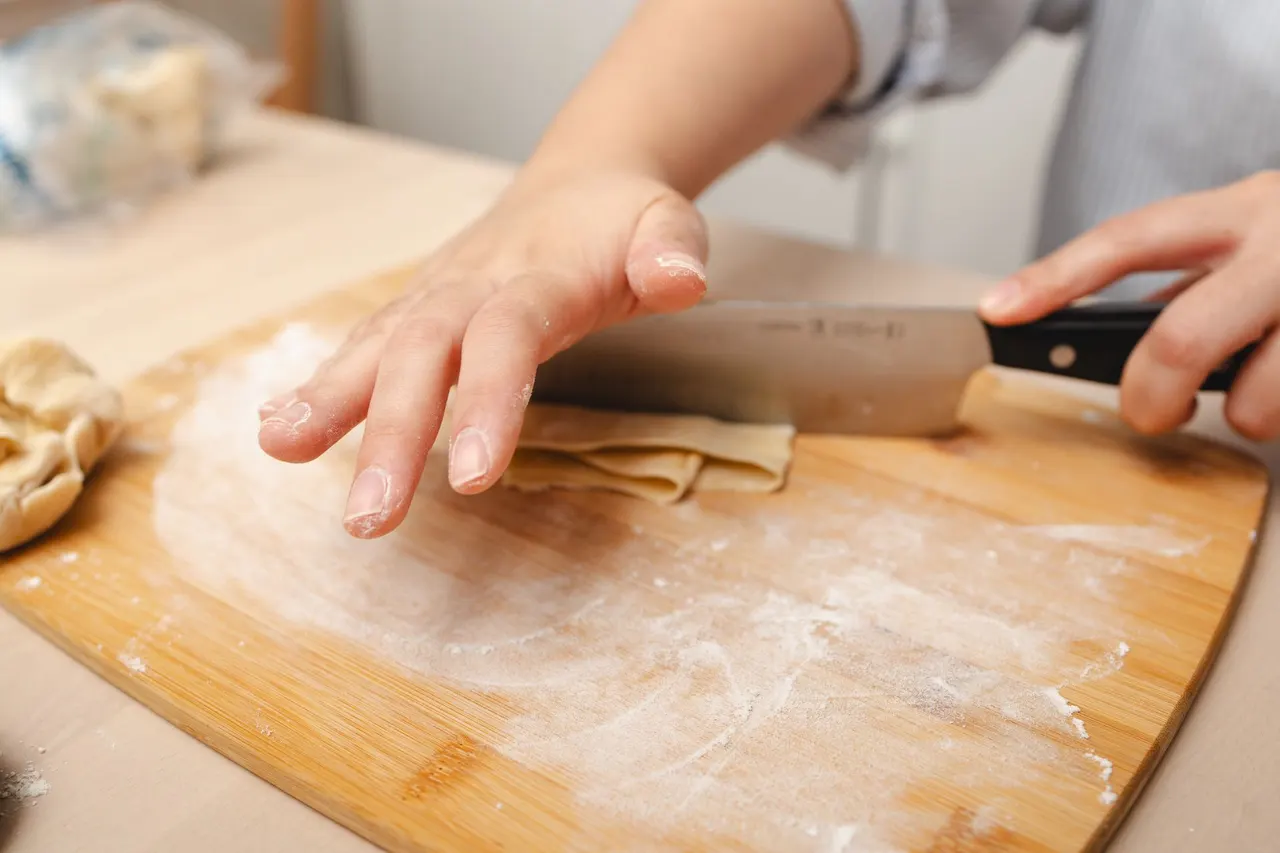
At a Shanxi noodle shop, the most fascinating sight is not the taste but the cutting. The master holds a lump of dough in one hand and a blade in the other. With quick, even strokes, noodle slices fly into the boiling water, thin as willow leaves with crisp edges. Diners watch the show before they even taste the noodles.
A proper knife-cut noodle is thick in the middle and thin at the edges. The blade must be sharp, the hand steady, and the slices must hit the water in an even rhythm. A skilled master can cut more than two hundred slices a minute, each one as uniform as if made by machine.
Shanxi people love noodles for a good reason. The province sits on the Loess Plateau, where wheat is the staple crop, and noodles naturally became the heart of the table. Beyond knife-cut noodles, there are pulled noodles, rolled noodles, tijan and mao'erduo — Shanxi is said to have hundreds of noodle varieties, and knife-cut is only the most famous.
The toppings matter too. The classic is a tomato-and-egg sauce, sour and appetising; there are also minced-meat sauce, fried sauce and braised sauce. The noodles are lifted from the pot, covered with hot sauce, and served with a clove of garlic and a splash of vinegar — Shanxi people never eat noodles without vinegar.
Eating knife-cut noodles takes a little skill. The slices are slippery, so you pick one up, blow on it, and slurp. The noodle slides down, chewy and satisfying. A bowl of hot noodles, and you are warm to the bone. Shanxi people say noodles must be eaten hot, or they lose their soul.
Today knife-cut noodles have travelled across China, and many shops put on a cutting performance. But the most authentic bowl is still on a Shanxi street: hot noodles, aged vinegar, and a quiet morning.