Highland lamb, boiled in clear water, eaten by hand — the straightforwardness of Qinghai is in the meat.
Qinghai hand-held lamb tastes of the vast highland itself.
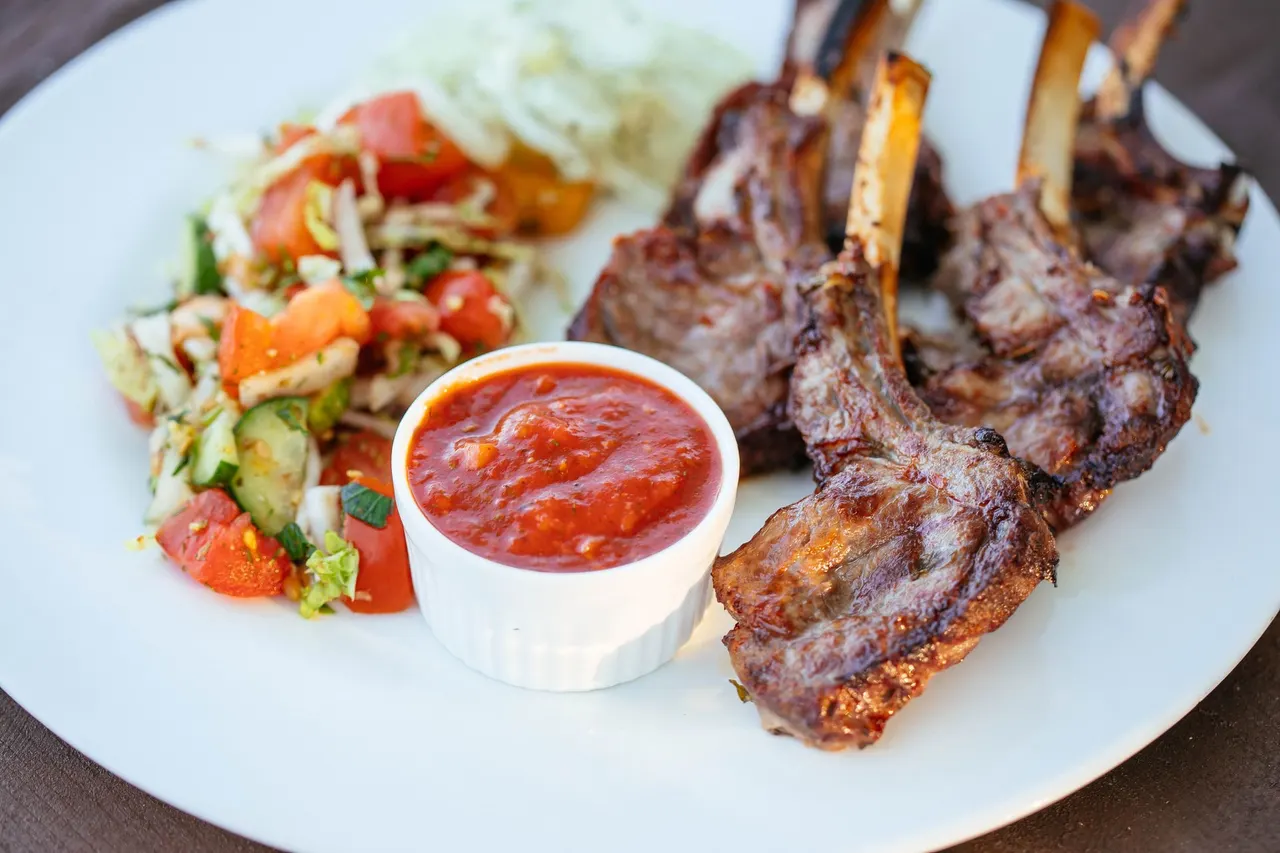
In Qinghai, hand-held lamb is the most common dish for guests. Tibetan sheep raised on the highland have firm, clean-tasting meat. Large pieces are boiled in clear water with almost no seasoning, served with salt and garlic, and eaten by hand — the bold style of the highland.
Qinghai hand-held lamb is about the original taste. The sheep graze on natural pasture and drink snowmelt, so the meat carries its own sweetness. No complex seasoning is needed — a pinch of salt is enough; a dip of garlic paste or spiced salt lets the flavour shine.
In the pastoral areas of Qinghai, hand-held lamb is essential at festivals and for guests. At Tibetan horse races and Mongolian Nadam fairs, it is always on the table. People sit together, eat big pieces of meat, drink big bowls of wine — the vastness of the grassland and the boldness of its people become one.
There are two ways to eat it: hot or cold. Hot means just out of the pot, steaming and at its most tender; cold means after resting, when the meat firms up and rewards slow chewing. Both have their charms.
Today hand-held lamb has entered the restaurants of Xining. In Moji Street or Shuijing Lane, travellers can taste this highland classic. But the real thing is still in a herder's yurt: firewood boiling the meat, big pieces eaten by hand, with a cup of hot milk tea.
When you travel in Qinghai, try hand-held lamb. By Qinghai Lake or under the Qilian Mountains, order a plate with a cup of butter tea — the vastness and honesty of the highland are on that plate.