White skin, tender meat, clean saltiness — the ducks of Nanjing could circle the city wall.
No duck swims out of Nanjing alive — this is the city's devotion to salted duck.
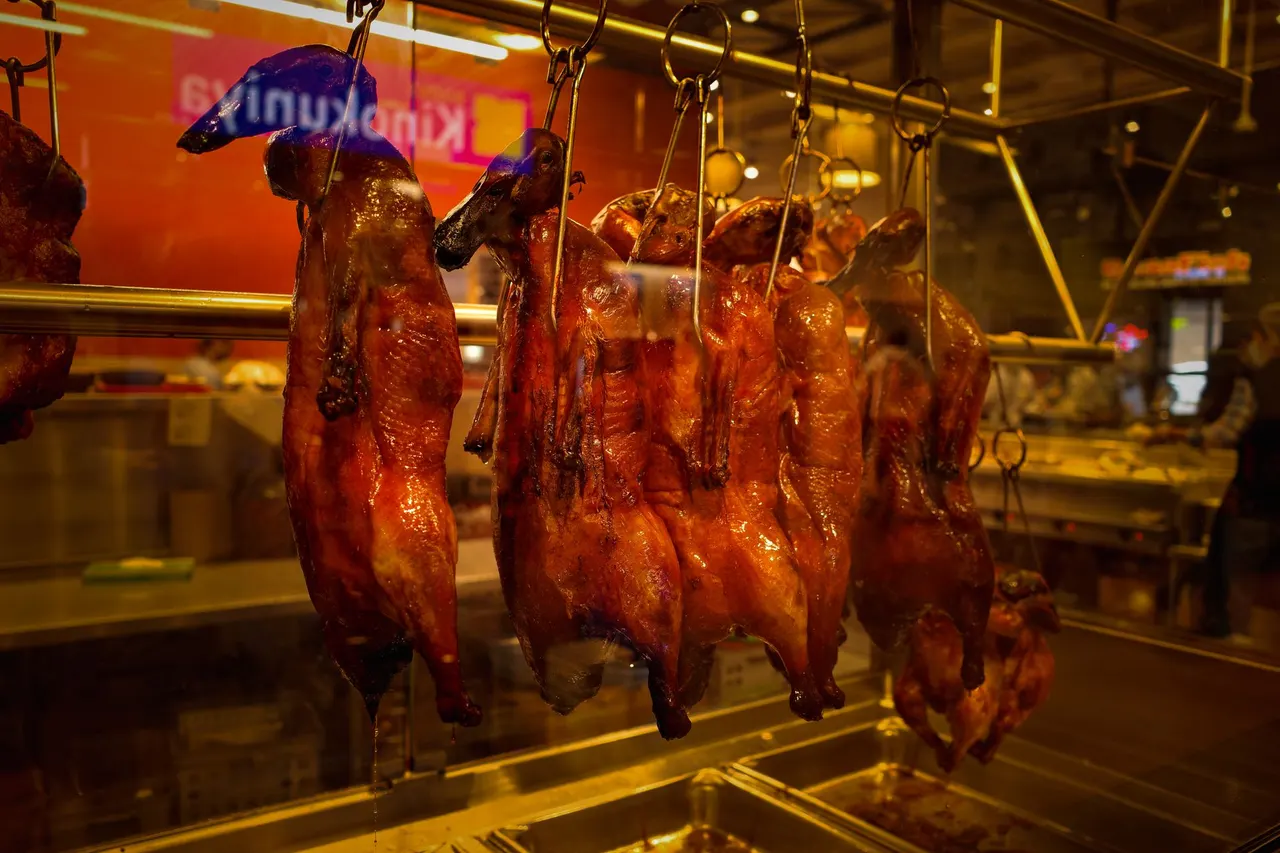
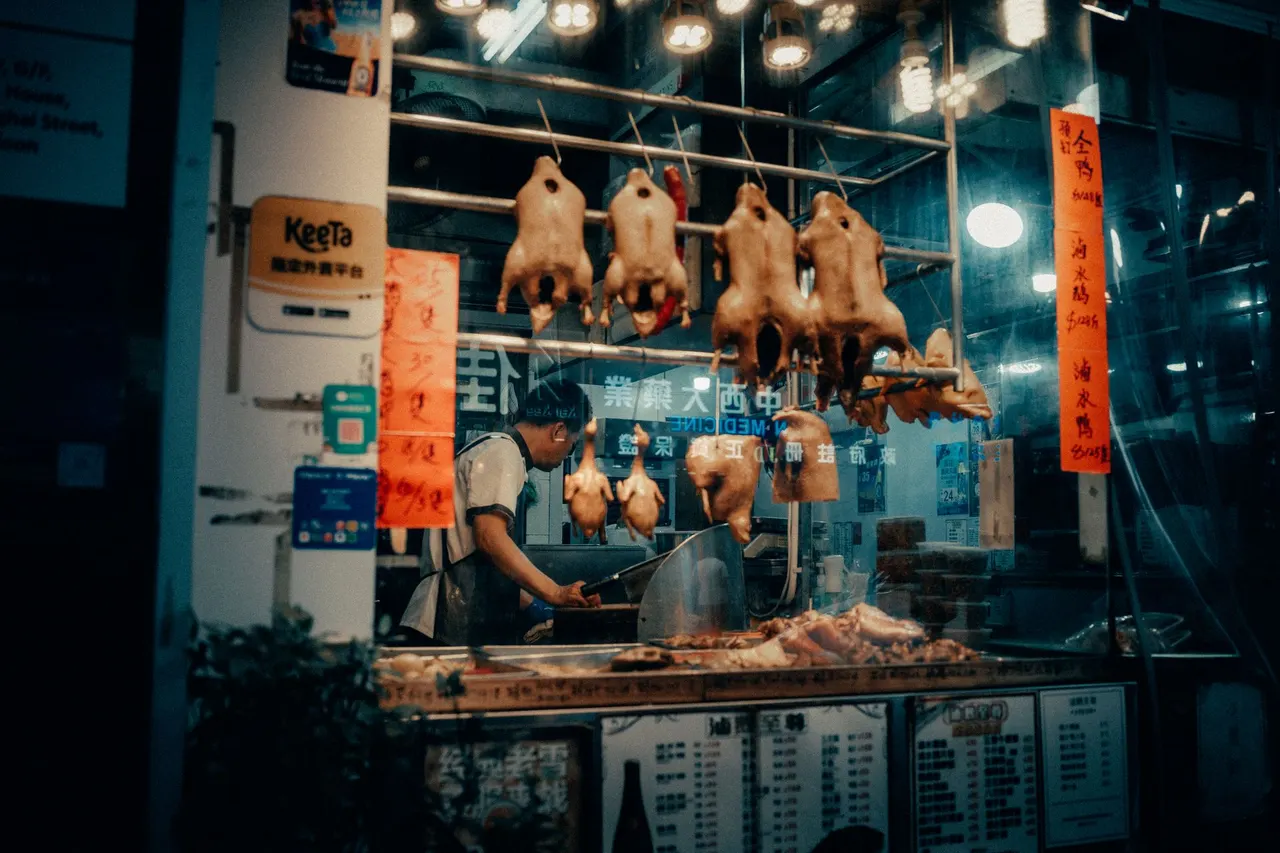
In Nanjing, duck is the centrepiece of the table. There are osmanthus duck, pressed duck, roast duck and salted duck — among them, salted duck is the most famous and the most everyday. White skin, tender meat and a clean savoury taste: this is the flavour Nanjing people grow up with.
The history of Nanjing salted duck reaches back to the Six Dynasties. The old capital of Jinling was known for duck feasts along the Qinhuai River. By the Ming and Qing dynasties, the technique had matured, and salted duck became one of the city's great dishes.
The method looks simple but demands skill. The duck must be lean, cured, braised and air-dried with care. Every shop guards its own brine recipe — some add Sichuan pepper and star anise, others tangerine peel and cassia — all aiming for that clean, savoury, refreshing flavour.
Authentic Nanjing salted duck is known for 'white skin, pink meat and green-tinted bones'. The skin is clean white, the meat a soft pink, and the bone carries a hint of green — the dish's signature. Sliced and plated, skin and meat together, it is savoury with a sweet aftertaste.
Nanjing people love duck so much it has become culture. 'No duck swims out of Nanjing alive' is a joke that reveals the city's true devotion. At festivals and banquets, salted duck is almost always on the table.
When you visit Nanjing, do not miss salted duck. At a shop near Confucius Temple or Laomendong, buy a freshly sliced portion and pair it with duck blood vermicelli soup — the taste of Jinling is in that plate of clean saltiness.