Sesame paste, alkaline noodles and pickled radish — a Wuhan morning starts with reganmian.
Wuhan people call breakfast 'guozao', and hot dry noodles are its hero.
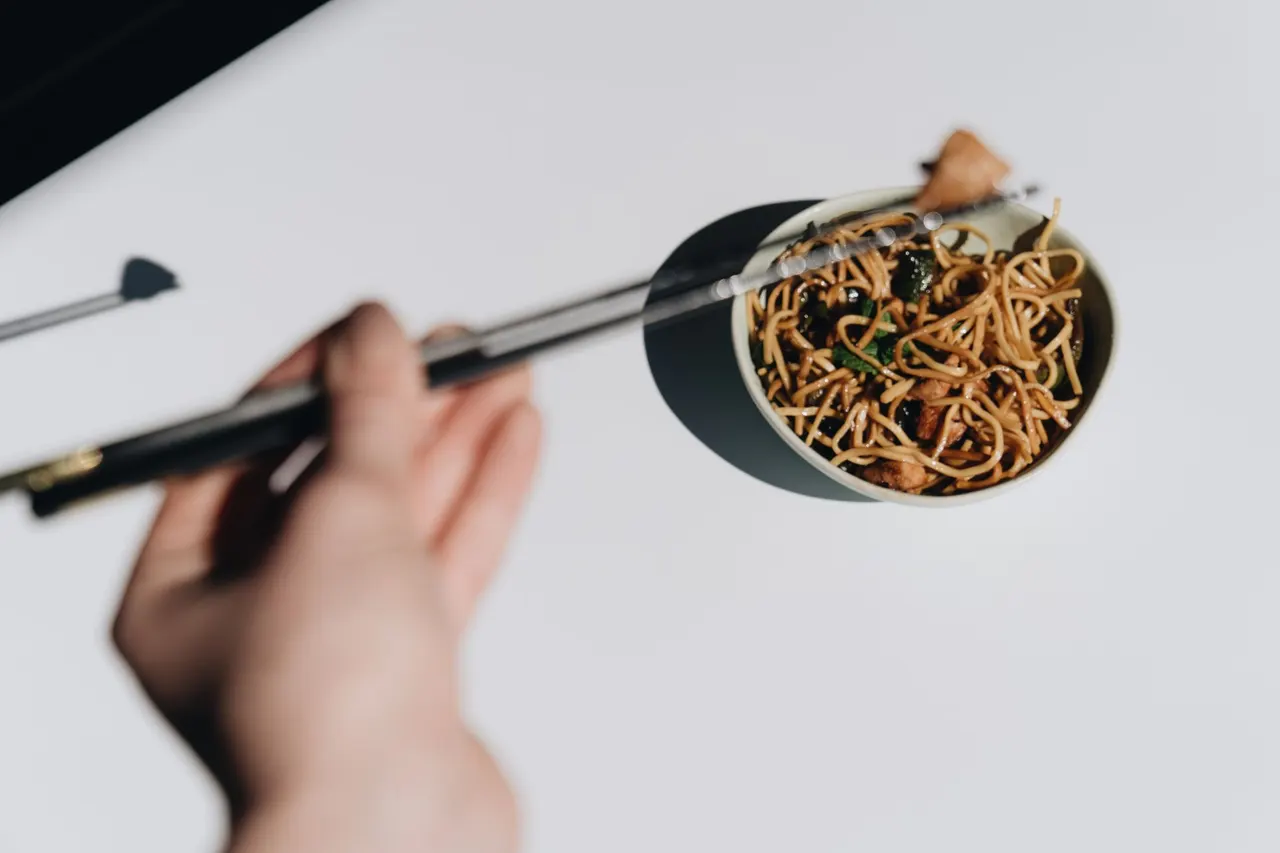
In the morning, the streets of Wuhan are filled with the aroma of hot dry noodles. Alkaline noodles are boiled, drained, and tossed with sesame paste, soy sauce, chilli oil, pickled radish and scallions. Every strand is coated — this is Wuhan's 'guozao', the morning meal.
The dish dates to the 1930s. A vendor named Cai Mingwei in Hankou, trying to keep his noodles from going stale, pre-cooked them and tossed them in oil to cool. When ordered, he blanched them again and mixed in sesame paste. It was an instant hit, and 'reganmian' was born.
The soul of hot dry noodles is sesame paste. Wuhan's paste is ground from fine white sesame, smooth and intensely fragrant. The noodles must be chewy and the paste must cling to every strand — a proper bowl has neither dry spots nor pools of sauce.
Wuhan people eat reganmian hot and fast. The noodles must be mixed immediately and eaten immediately. Standing on the street, holding a paper bowl, you stir it in three quick motions and slurp it down — that is the efficiency of a Wuhan morning.
Reganmian is Wuhan's street identity. Shops cover the city, from the old Caixinlin to countless street stalls, each with its own touch. A bowl of noodles with a cup of soy milk or egg wine is the standard pairing.
When you visit Wuhan, do not miss 'guozao'. At Hubu Alley or a corner noodle shop, order a bowl and watch the vendor blanch and toss it with practised hands — the warmth and jianghu spirit of Wuhan are in that bowl.