From a farmer's clay bowl to a gilded teahouse, tea is China's oldest hospitality — and its most everyday ceremony.
Better to go three days without salt than one day without tea.
Legend says Shennong, the father of Chinese medicine, discovered tea when leaves fell into his boiling water. Whether or not the story is true, tea has been central to China for thousands of years. Green, black, oolong, white, yellow, dark and compressed teas all come from the same leaf, transformed by terroir and craft into a thousand flavors.
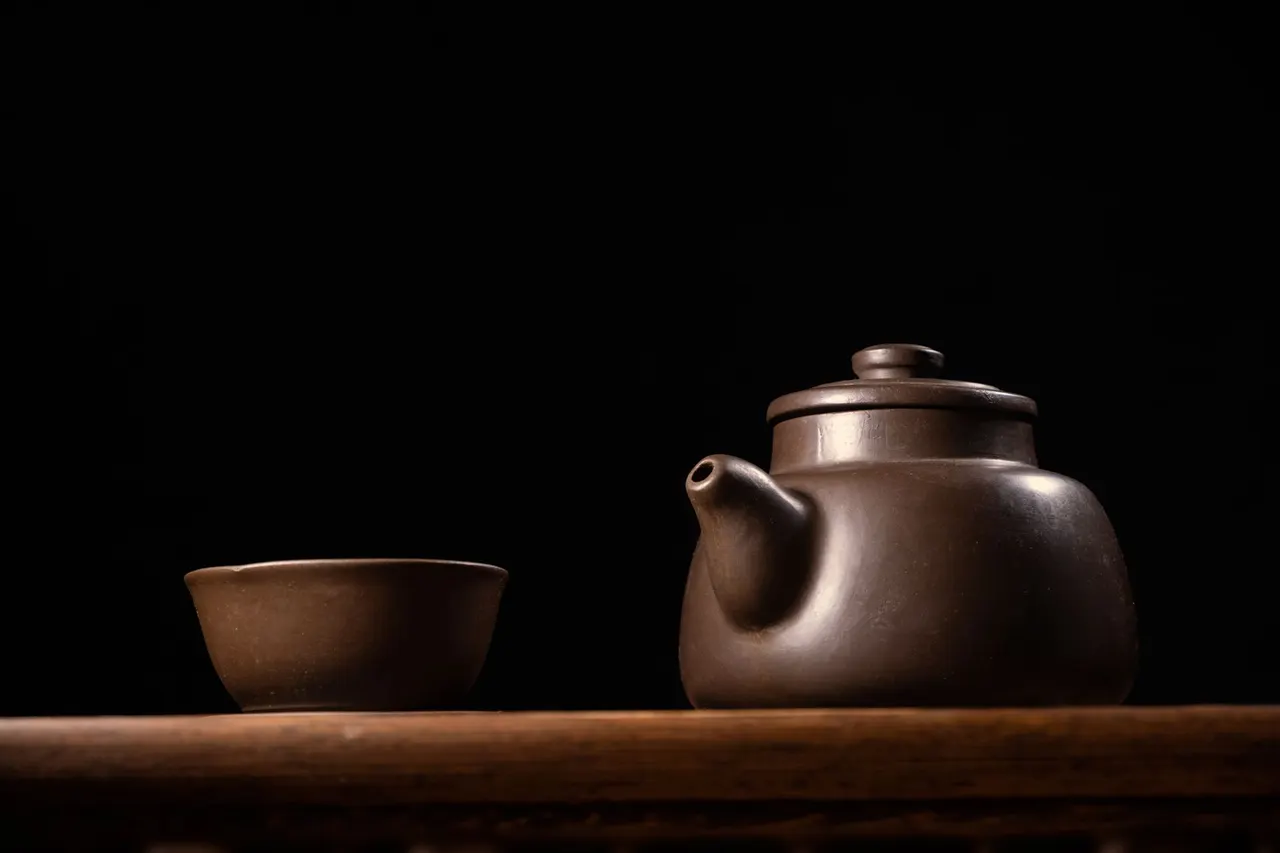
Every region has its own way: in Sichuan and Guangdong, people sit in teahouses for hours, pouring small cups and chatting; in Fujian, the gongfu ceremony measures every steep with care; in Tibet and Inner Mongolia, butter tea and milk tea warm the highlands. When you are invited to tea in China, you are being welcomed as family — the host pours for others first, and the guest taps two fingers to say thank you.
For travelers, tea is the easiest door into Chinese life. Join a tea tasting, visit a plantation like Longjing's terraced hills, or simply sit in a Chengdu teahouse and watch the day pass. One leaf, boiled in a thousand ways, still says the same thing after five thousand years: slow down, sit together, and talk.