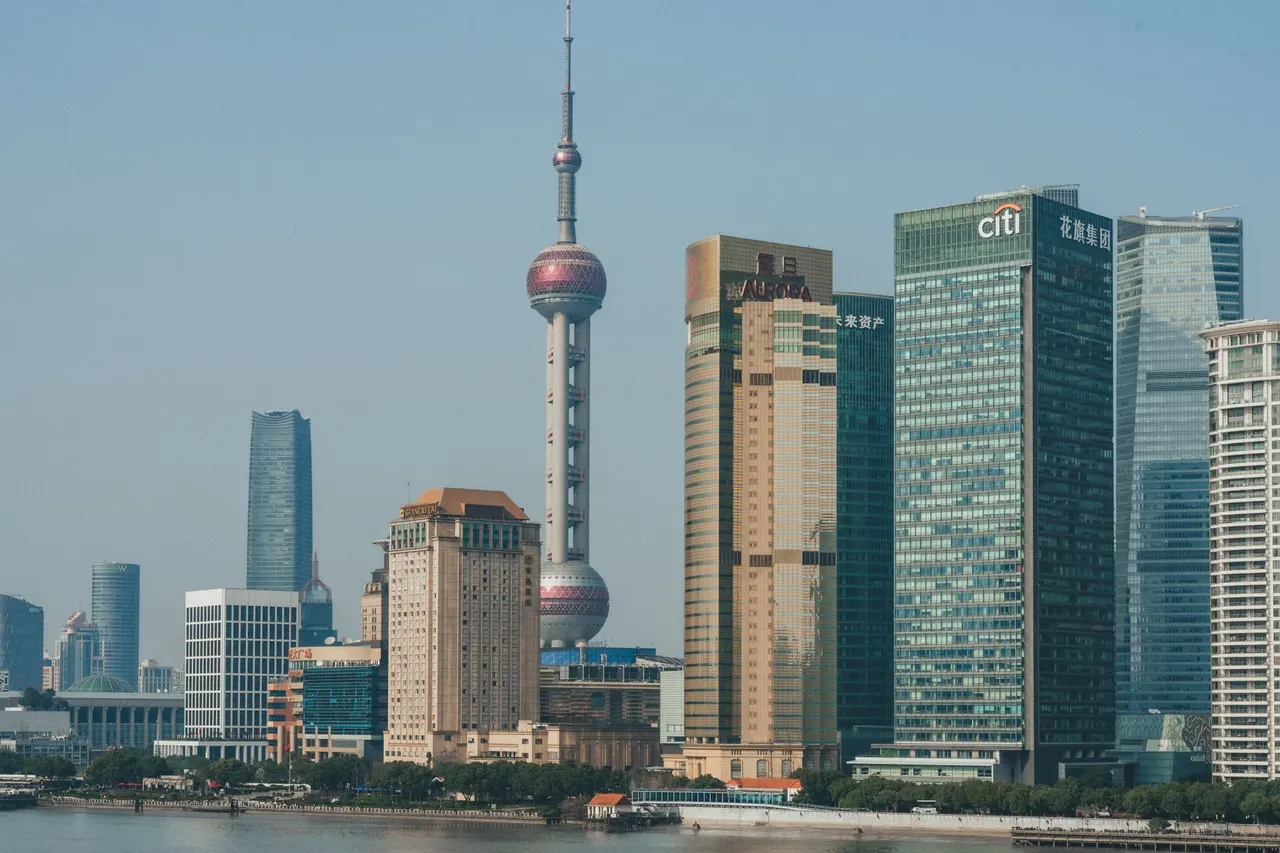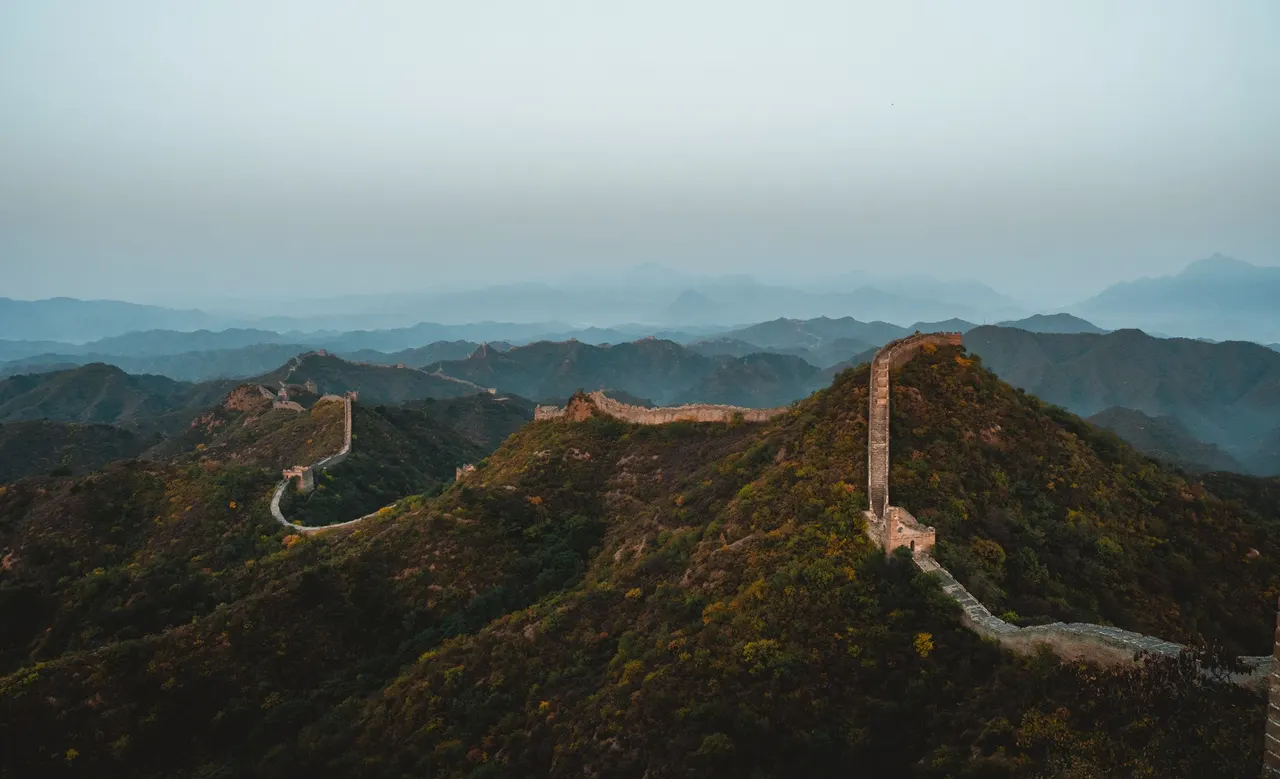
Morning tea in Guangzhou, and the Forbidden City in Beijing by afternoon.
The high-speed rail changed not only speed but the radius of Chinese life.
China's high-speed rail network now exceeds 40,000 kilometres, covering most cities. Fuxing trains run at 350 kilometres an hour, so steady a coin can stand on edge in the carriage. Fields, cities and mountains race past the window; in a few hours you cross half of China.
The rail has changed lives. In the Yangtze and Pearl River deltas, people commute between cities for work; during Spring Festival, a journey that once took days by slow train takes hours; young people in small towns can suddenly travel at will — to a big city for an exhibition or a concert.
The stations are new landmarks of many cities. Self-service ticketing, face-scan entry, food delivered to your seat — every step of travel is faster. People say China's high-speed rail has made China smaller, and the opportunities bigger.