From the first day of spring to the depths of winter, Chinese days are walked out by the solar terms.
The solar terms are not names on a calendar — they are our ancestors' code for living with the earth.
On the day of Jingzhe, 'the awakening of insects', I heard the first spring thunder in a small southern town. The old man said: when the thunder sounds, the insects in the soil wake up, and it is time to turn the fields. No notice was sent, yet the whole village began to work the same day — the solar terms are the oldest timetable in China.
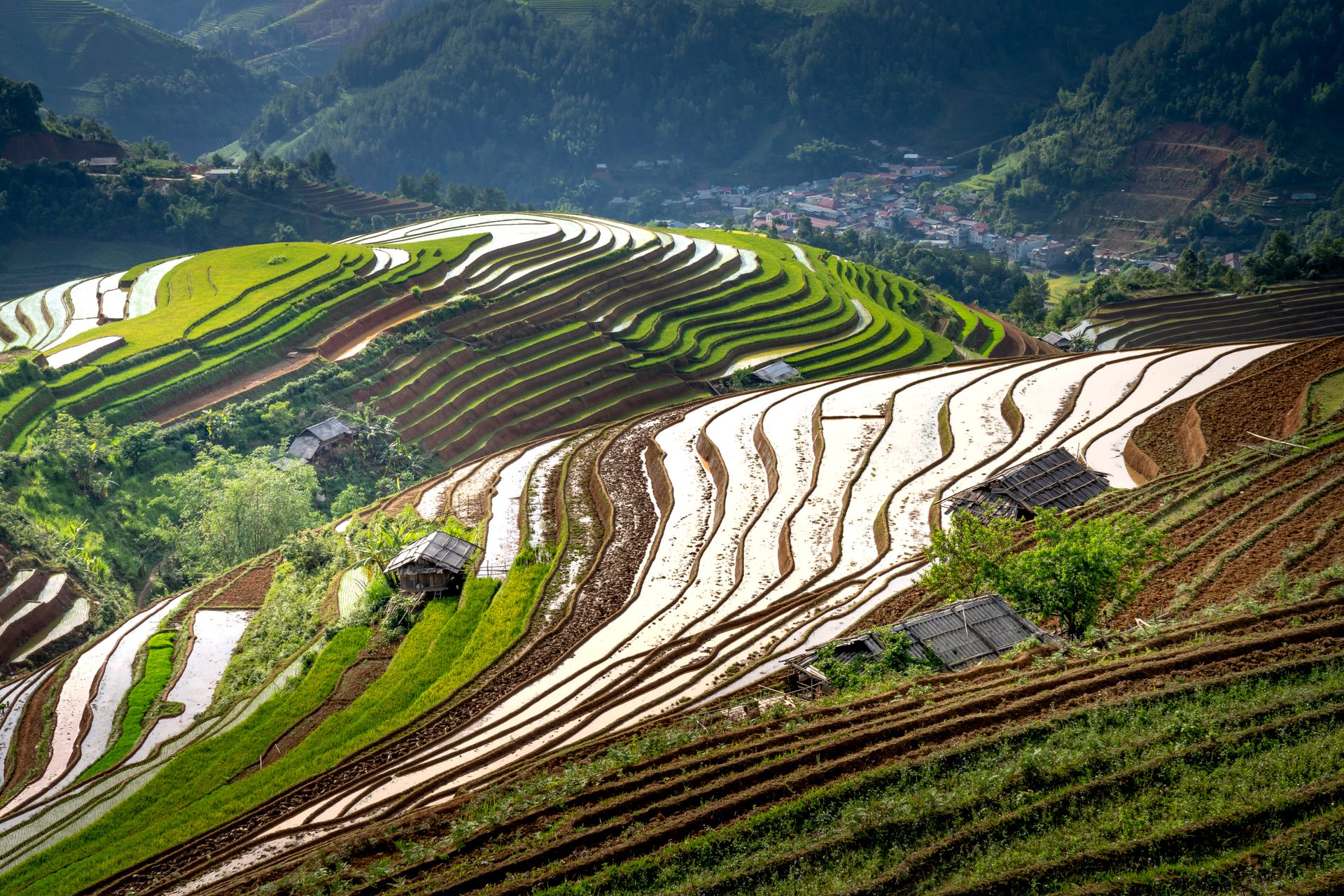
That timetable came from the fields. Plant melons and beans around Qingming; be busy in Mangzhong; after Bailu, one cool night follows another. The ancients divided the sun's path into twenty-four stations, each matched to weather, natural signs and farming. It is astronomy, it is calendar, and above all it is life itself.
Few of us farm now, yet the wisdom of the terms still lives in daily habits: dumplings at the winter solstice, noodles at the summer solstice, more food after the start of autumn; tomb-sweeping in spring, mountain-climbing at Chongyang. We may not know the astronomy behind them, but we keep the rituals — because they hold a people's respect for, and closeness to, nature.
Perhaps that is the beauty of the seasons: in a faster world, they remind us to slow down, to watch flowers open, to listen to rain, to wait for the rice to ripen. Heaven and earth keep their rhythm — and we are fortunate to live in step with it.